
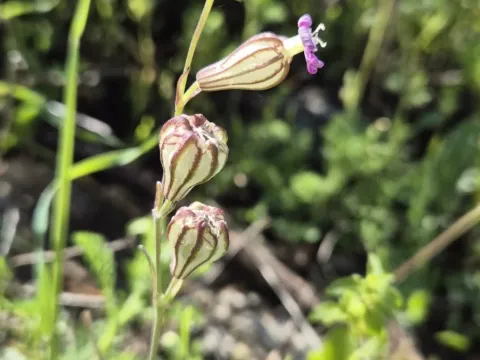
Silene secundiflora
Silene secundiflora
Silene secundiflora is a member of the Caryophyllaceae family and is recognized for its specific ecological niche requirements. Sowing is generally conducted in the spring when soil temperatures stabilize at approximately 8-10 degrees Celsius, ensuring optimal conditions for seed germination.
What the section contains
Silene secundiflora
Before planting, the field requires thorough tillage to create a fine, uniform seedbed. Seeds should be sown at a shallow depth of 1-2 centimeters to ensure maximum contact with moist soil while allowing sufficient space for developing sprouts to reach the surface.
Row planting with spacing of up to 30 centimeters is recommended to facilitate optimal airflow and light distribution between individual plants. This spatial arrangement helps maintain plant health and reduces the competition for resources during the intense growth phase.
Early monitoring after sowing is critical to prevent the formation of soil crusts, which can impede emergence. If soil moisture is low, light rolling may be performed to ensure consistent soil-to-seed contact and promote uniform germination across the field.
Proper field maintenance after sowing involves keeping the rows clear of competitive weeds. Early weed management is vital as it allows the crop to establish a robust root system, which is essential for surviving potential environmental stressors in later development stages.
This crop thrives in Mediterranean-type climates and requires full sunlight to achieve maximum productivity. Sufficient light exposure is a primary factor in promoting the development of strong, healthy stems and encouraging the plant's natural growth cycle.
Soil requirements for Silene secundiflora include light, well-draining textures, ideally with a neutral to slightly alkaline pH. Poor drainage leads to waterlogging, which the plant does not tolerate, as it significantly increases the risk of root suffocation and decay.
The plant demonstrates a notable resilience to short dry spells, making it adaptable to varied irrigation regimes. However, for consistent yield, providing moderate water during peak growth phases is recommended to prevent water stress and maintain healthy physiological functions.
Nutrient management should focus on a balanced application of phosphorus and potassium to strengthen structural integrity. Nitrogen application should be moderate to avoid excessive vegetative growth that could inadvertently attract pests or make the crop susceptible to lodging.
Ideal temperatures for vegetative development range between 18 and 24 degrees Celsius. While the crop can tolerate temperature fluctuations, extreme cold during the flowering stage should be avoided to prevent damage to the delicate reproductive organs of the plant.
Fungal diseases are the primary threat to Silene secundiflora, especially during humid seasons. Pathogens such as root rots and foliar spots can propagate rapidly if environmental conditions encourage moisture retention in the canopy, necessitating proper drainage and spacing.
Pest pressures primarily include aphids and leaf-eating caterpillars, which can significantly damage young foliage and reduce the photosynthetic capacity of the crop. Regular scouting is required to detect early signs of infestation and prevent localized outbreaks.
Implementing an integrated pest management strategy is highly recommended for maintaining crop health. This approach includes the use of biological control agents and maintaining surrounding buffer zones to encourage beneficial insects that predate on crop pests.
Cultural practices, such as strict adherence to crop rotation, play a vital role in disease prevention. By rotating away from other Caryophyllaceae species, producers can interrupt the life cycles of soil-borne pathogens and maintain healthier field conditions.
Proactive monitoring of the crop canopy throughout the growing season helps in identifying disease hotspots early. Applying preventive biological fungicides or timely removal of symptomatic plants can prevent the spread of infections throughout the cultivation area.