
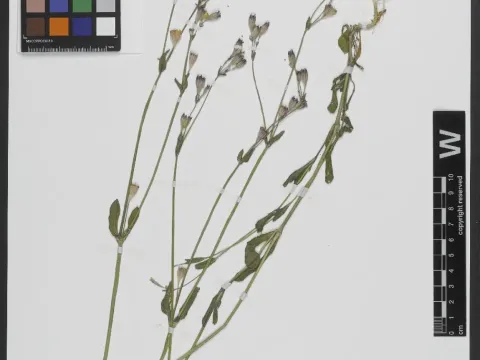
Silene rubella
Silene rubella
Silene rubella is an annual herbaceous plant belonging to the Caryophyllaceae family. In agricultural practices, the optimal sowing time is early spring when soil temperatures reach a stable level for seed germination.
What the section contains
Silene rubella
Seedbed preparation is critical for this crop. The soil must be fine-textured and leveled to ensure that the small seeds are sown at a consistent shallow depth of approximately 1 to 2 centimeters.
Uniform stand density is achieved through precision seeding. Farmers are encouraged to use pneumatic seeders to prevent overcrowding, which can lead to competition for nutrients and increased humidity within the plant canopy.
In Mediterranean-type climates, autumn sowing is possible, allowing for winter establishment. However, regional frost risks must be assessed to prevent significant damage to young vegetative rosettes.
After sowing, light irrigation may be necessary if soil moisture is low, as the initial germination phase is the most sensitive period for the plant's development.
Silene rubella thrives in well-drained, sandy-loam soils. It is highly sensitive to waterlogging, which often leads to root rot, so field selection should focus on areas with excellent natural drainage.
As a light-demanding species, the crop requires full sun exposure. Any significant shade, whether from neighboring weeds or tree lines, will negatively impact the biomass and seed yield potential.
The climate requirements include a moderate temperature range. While the plant can withstand short periods of heat, it performs best in mild, cool-season conditions where vegetative growth is steady rather than rapid and stressful.
Nutrient management should focus on balanced NPK applications, with an emphasis on potassium during the flowering stage. Potassium helps strengthen plant structure and improves resistance to minor environmental stressors.
Maintaining a neutral soil pH is essential for optimal nutrient uptake. Acidic soils can inhibit root development and make the plant more susceptible to soil-borne pathogens throughout the growth cycle.
Fungal diseases, particularly mildew and root pathogens, are the primary biological threats. These are often triggered by high humidity and poor air circulation within the fields, necessitating proactive spacing management.
Pests such as aphids and leaf miners are common. Integrated pest management (IPM) strategies, including the use of beneficial insects and targeted biological controls, are recommended to maintain ecological balance.
Weed competition is a significant challenge during the early stages of development. Manual or mechanical weeding between rows is often required until the plants are sufficiently established to shade the ground.
Seed contamination by related Silene species is a risk for seed production plots. Spatial isolation is required to maintain the genetic integrity of the crop and ensure a high-quality product for the next season.
Regular monitoring of field edges for initial pest outbreaks is a standard practice to prevent the spread of infestations across the entire plantation.
Harvesting of Silene rubella is typically performed when the seed capsules reach maturity and begin to change color. This ensures maximum seed viability and high nutritional quality for the harvested product.
Mechanical harvesting requires specialized equipment adjusted for small seeds to minimize loss during the cutting and threshing process. Proper calibration is essential for efficiency.
Post-harvest handling involves quick drying of the plant material to prevent secondary fungal infections or seed quality deterioration. Storage should take place in cool, dry conditions with adequate ventilation.
Timing the harvest is critical; delayed operations can lead to seed shedding due to natural plant maturation cycles, resulting in yield losses that can be significant in unfavorable weather conditions.
After the seeds have been cleaned and processed, they should be tested for moisture content and germination percentage to ensure they meet commercial standards before being distributed or stored long-term.