
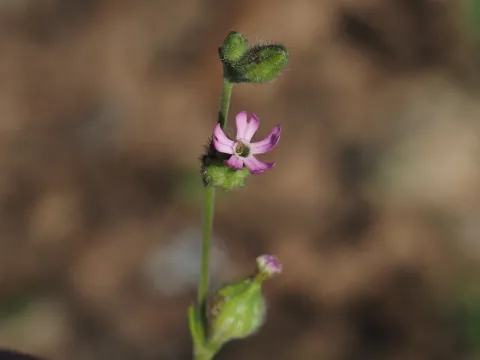
Silene sclerocarpa
Silene sclerocarpa
Silene sclerocarpa is an annual herb that thrives when sown in early spring, as soon as the soil reaches a temperature of at least 10 degrees Celsius. Preparation of the seedbed is critical due to the small size of the seeds, requiring a fine, uniform structure.
What the section contains
Silene sclerocarpa
Row sowing is the recommended method to facilitate mechanical weeding and ensure optimal spacing between plants. A row distance of approximately 25 to 30 centimeters provides enough room for development while maintaining a dense stand.
Seed depth should be kept shallow, typically not exceeding 1.5 to 2 centimeters, to allow for quick germination. Firming the soil after sowing using a roller is essential to ensure good soil-seed contact and optimal moisture retention.
For regions with mild winters, dormant autumn sowing can be a viable strategy. This allows the seeds to benefit from early spring moisture, resulting in more robust and vigorous seedlings as temperatures rise.
Seeding rates should be adjusted based on the intended use, generally ranging between 8 and 10 kilograms per hectare. Proper calibration of seeding equipment is necessary to avoid overcrowding, which can lead to competition for nutrients.
As a member of the Caryophyllaceae family, this species prefers sunny, open environments. It requires significant exposure to direct sunlight to ensure proper photosynthesis and the production of healthy flowers and seeds.
The plant is adaptable to various soil types but performs best in well-drained sandy loams or light clay soils. It is highly sensitive to waterlogging, as stagnant water in the root zone quickly leads to root rot and failure of the crop.
Silene sclerocarpa exhibits notable drought tolerance, making it suitable for areas with limited irrigation capacity. Once established, the deep root system allows it to access deeper soil moisture layers during dry summer months.
While the plant does not have intensive nutrient demands, a balanced application of phosphorus and potassium during the vegetative stage helps strengthen stems and improve seed quality. Nitrogen should be applied sparingly.
The ideal ambient temperature for growth ranges between 18 and 24 degrees Celsius. The species can tolerate mild late spring frosts, which are common in many cultivation zones, without significant damage to the plant tissue.
The yield of green biomass depends on management practices, such as the timing of the first cut and the availability of water. With proper input, it provides a reliable source of vegetative growth throughout the season.
Seed yield is heavily dependent on the success of the flowering phase. Maintaining a healthy population of pollinators in the vicinity of the fields is crucial for the fertilization of the flowers and the formation of mature capsules.
Under favorable environmental conditions, multiple cuts per season are possible. This allows for increased total biomass production throughout the summer months, which is beneficial for agricultural operations.
The nutritional composition of the plant remains relatively stable when properly harvested and stored, making it a valuable addition to mixed forage programs. Quality management ensures the retention of vital minerals.
Long-term productivity on a specific plot can be maintained through careful crop rotation and by preventing the buildup of specific soil-borne pathogens through diverse agricultural practices.
Powdery mildew represents a common threat, especially in areas with high humidity or poor air circulation. Improving plant spacing and preventing over-fertilization with nitrogen are primary management tactics to minimize its occurrence.
Root rots are secondary issues usually associated with excessive soil moisture. Selecting fields with good drainage properties is the most effective preventative measure against these fungal pathogens.
Pests like aphids can colonize the soft, young tissues of the plant, potentially causing stunted growth. Integrated pest management, focusing on encouraging natural predators, is preferred over chemical interventions.
Caterpillars of certain moth species may target the buds, leading to a decrease in seed yield. Regular scouting and biological monitoring allow for early detection and targeted, environmentally friendly responses.
To reduce overall disease pressure, farmers should avoid monocropping in areas prone to Caryophyllaceae-specific pathogens. Implementing a robust rotation cycle is highly recommended for sustained health.
Harvesting for seed is conducted when the capsules have turned brown and dried naturally on the plant. It is vital to perform this operation during dry weather to prevent moisture-related seed degradation.
For forage production, harvesting should take place at the peak of the flowering stage, ensuring high nutrient density before the plant enters the reproductive senescence phase.
Post-harvest processing involves threshing and cleaning the seeds to remove chaff and field debris. This ensures a clean product and improves the storability of the seed lot for future seasons.
Green mass should be dried promptly in controlled conditions to avoid loss of essential nutrients. Shade-drying or using forced-air ventilation helps maintain the quality and color of the biomass.
Storage must be in a cool, dry place to maintain seed viability and prevent the growth of molds. Proper labeling and environmental control in warehouses are key to preserving harvest quality.