
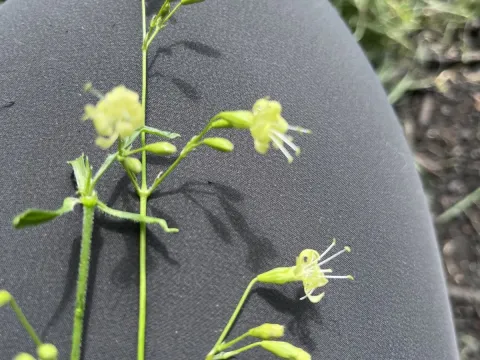
Silene saxatilis
Silene saxatilis
Silene saxatilis, known as a member of the Caryophyllaceae family, is a perennial plant that thrives in well-prepared seedbeds. Sowing is typically performed in late autumn or early spring to allow for natural stratification.
What the section contains
Silene saxatilis
The seeds are small, requiring a shallow sowing depth of approximately 0.5 to 1 cm. They are light-dependent, so they should be covered only very lightly with soil or sand.
Proper spacing is crucial for healthy development. A distance of 30–40 cm between plants is recommended to allow for adequate air circulation and to prevent overcrowding.
Initial growth is slow, focusing on the development of a strong basal rosette. During this phase, keeping the soil moist but not waterlogged is essential for seedling establishment.
Choosing a site with full sun exposure is vital, as this species naturally thrives in exposed, rocky habitats where light is abundant.
This crop prefers well-drained, gritty, or sandy soils. It is highly intolerant of heavy, water-retaining clay soils, which can cause root damage and secondary infections.
Silene saxatilis is remarkably drought-tolerant, making it suitable for areas with limited water resources or xeriscaping projects. It possesses significant hardiness against fluctuating temperatures.
Nutrient requirements are moderate. Over-fertilization, especially with nitrogen, should be avoided as it leads to weak, spindly growth that is prone to lodging during rainfall or wind.
The optimal soil pH range is neutral to slightly alkaline. If the soil is naturally acidic, applying limestone can significantly improve the growth performance of the crop.
Good soil aeration is necessary. Mechanical weeding and periodic light cultivation of the top layer of soil will help maintain optimal root respiration and plant vigor.
Root rot is the most significant threat to Silene saxatilis. It is almost exclusively caused by poor drainage and excessive moisture, which leads to the collapse of the root system.
Powdery mildew can occur in stagnant, humid environments. Ensuring proper spacing and keeping the foliage dry helps to reduce the incidence of fungal pathogens significantly.
Pests such as aphids may occasionally target tender shoots. Regular monitoring of the crop helps to identify infestations early before they cause substantial damage.
Preventive measures include the removal of dead plant material at the end of the season to eliminate overwintering sites for pests and spores of fungal pathogens.
In cases of severe infestation, using targeted biological controls is preferred to maintain the ecological balance and protect the plant's natural resilience.