
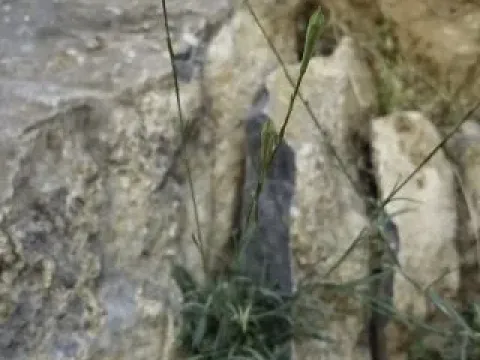
Silene rouyana
Silene rouyana
Silene rouyana is a herbaceous perennial plant belonging to the Caryophyllaceae family. Naturally occurring in the mountainous regions of the Iberian Peninsula, it has adapted to specific ecological niches.
What the section contains
Silene rouyana
The plant demonstrates a strong affinity for rocky, calcified soils, thriving in conditions where other plants might struggle due to limited nutrient availability and harsh climatic exposure.
Agronomic success relies on providing well-drained substrate conditions. Being a sun-loving species, it requires locations with maximum light exposure throughout the day to ensure structural integrity and healthy growth cycles.
Temperature tolerance is a hallmark of this species, as it is well-adapted to the cooler climates of higher altitudes. However, it requires a stable, non-waterlogged environment to prevent metabolic stress.
While not a traditional broad-acre crop, its resilience makes it an interesting subject for niche agricultural research and conservation efforts in specialized botanical gardening.
Root rot caused by excessive moisture is the primary threat to the longevity of Silene rouyana. The soil must remain aerated to prevent fungal colonization of the underground organs.
Pest pressures often include sap-sucking insects such as aphids. These can cause damage to the tender parts of the plant during the early stages of spring growth.
Fungal pathogens, particularly those causing mildew, may appear if the plants are placed in low-airflow environments or in high-humidity microclimates, necessitating careful site selection.
Weed management remains critical during the establishment phase, as the plant grows relatively slowly at first and lacks the initial competitive vigour to overcome aggressive local weed species.
Integrated pest management strategies focusing on cultural control and sanitation are highly recommended to keep the plant population healthy without excessive reliance on chemical inputs.