
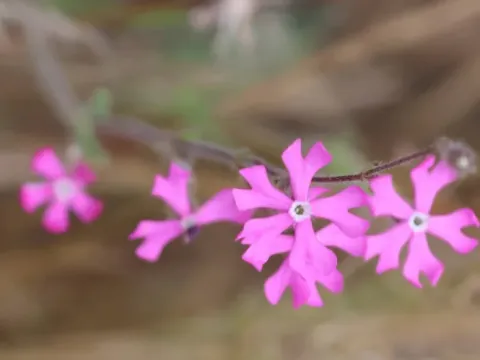
Rough-flowered catchfly
Silene scabriflora
Silene scabriflora, known as the rough-flowered catchfly, belongs to the Caryophyllaceae family. This perennial plant is native to the Mediterranean region, where it thrives in rocky environments and natural habitats with thin soils, demonstrating excellent adaptation to harsh conditions.
What the section contains
Rough-flowered catchfly
The botanical profile of the plant is defined by its scabrous (rough) stems and foliage, which provide a distinctive texture. It possesses a taproot system that allows it to access water deep in the substrate, making it highly drought-tolerant once established in the ground.
The cultivation of this species requires well-drained, porous soils. It performs best in rocky, sandy, or gravelly media where water does not pool around the base. Neutral to slightly alkaline soil conditions are preferred for optimal growth and nutrient uptake.
As a sun-loving species, Silene scabriflora requires full solar exposure to maintain its compact form and vibrant flowering. Inadequate light levels can lead to etiolated stems and increased susceptibility to physiological stresses and infections.
Regarding its utility, the plant is primarily appreciated in ecological landscaping and for its role in supporting native pollinator populations. Its hardy nature makes it a suitable candidate for xeriscaping projects and areas with limited maintenance capacity.
Aphids are the most common pests encountered in the cultivation of Silene species. They typically cluster on the tender tips of the stems and flower buds, requiring prompt intervention to prevent stunted plant development.
Powdery mildew represents a significant fungal threat, especially in environments with high humidity and poor air circulation. Proper spacing between individual plants is a critical preventive measure to minimize the risk of infection.
Root rot is often the result of improper watering practices or excessive soil compaction. Ensuring effective drainage is the most reliable strategy to maintain the health of the root system throughout the growing season.
Noctuid moth larvae may cause physical damage to the leaves and developing flowers. Regular scouting of the fields or plots allows for early detection, which makes pest control efforts significantly more efficient and less dependent on chemicals.
Soil-borne nematodes can impact overall plant vigor, though this is less common in well-managed, diverse planting areas. Maintaining healthy soil structure through organic amendments can help improve the plant's natural resilience to these pests.