
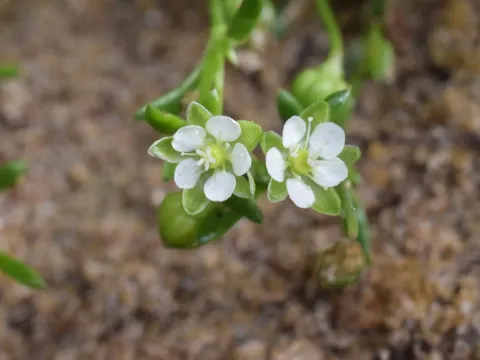
Sagina maxima
Sagina maxima
Sagina maxima, commonly known as a type of pearlwort, is a herbaceous perennial belonging to the Caryophyllaceae family. Its biological nature allows it to form dense, cushion-like mats, making it an excellent ground cover species.
What the section contains
Sagina maxima
Seed propagation is best carried out in early spring when temperatures remain consistent. Seeds should be sown on the surface of well-prepared, fine-textured soil and kept moist to ensure germination, which typically occurs within three weeks.
For ornamental or agricultural purposes, vegetative division is the preferred method for rapid establishment. Division should be performed during the growing season to ensure the plants have adequate time to root before winter dormancy.
When sowing in containers, ensure the substrate is light and airy to prevent seedling rot. Proper spacing is essential to allow for airflow, which is critical for the healthy development of this low-growing species.
Once established, the plant spreads through creeping stems that root at the nodes. This characteristic allows it to colonize available space effectively, forming a resilient green mat that suppresses weed growth.
This plant thrives in sunny to partially shaded locations. It prefers temperate climates and is highly resilient to cold, making it suitable for regions with distinct seasonal changes and cool, moist summers.
Soil requirements focus on consistent moisture levels and good drainage. While the plant loves water, it cannot tolerate waterlogged conditions, which lead to root asphyxiation and subsequent decay of the plant tissue.
A neutral to slightly acidic soil pH is ideal for promoting vigorous growth. If the soil is too heavy or compacted, adding organic amendments or sand can improve its texture and allow for better root penetration.
Adequate irrigation is necessary during dry spells. Since Sagina maxima has shallow roots, it relies on top-soil moisture; therefore, mulching around the edges or maintaining soil hydration is a key management strategy.
Maintenance involves minimal intervention. However, keeping the planting area free of invasive weeds during the first year is vital, as the plant needs time to develop a thick enough mat to crowd out competitors.
Fungal diseases are the primary threat, especially in areas with high humidity and limited air circulation. These conditions often lead to patches of dieback, commonly known as damping-off or crown rot.
Pests like slugs and snails can cause significant damage by feeding on the tender stems of the plant. Monitoring and using physical barriers or eco-friendly deterrents can effectively manage these populations.
Soil-borne pathogens are more prevalent in environments where drainage is insufficient. To mitigate this risk, it is essential to ensure that the site has a natural slope or an artificial drainage layer installed.
To keep the plant healthy, remove any debris or dead plant material from the surface of the mat, as this can harbor pests and spores. Cleanliness is a major factor in preventing the spread of fungal outbreaks.
In cases of severe infestation or disease, targeted chemical treatments may be necessary. Always opt for systemic fungicides if fungal pressure is high, but prioritize sustainable cultural practices first.