
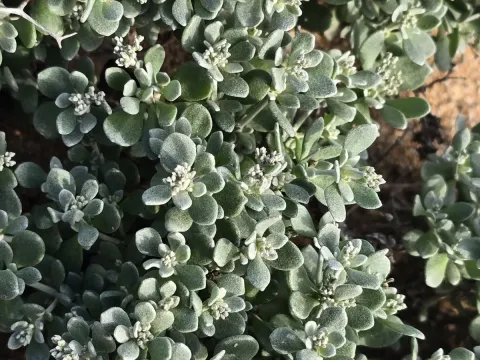
Robbairea
Robbairea
Robbairea is a specialized genus of the Caryophyllaceae family, evolved for survival in extreme arid environments. In its natural habitat, seed germination is strictly triggered by rainfall events that provide enough moisture to leach salts from the soil surface, creating a conducive environment for development.
What the section contains
Robbairea
For cultivation purposes, seeds should be sown in sandy, well-aerated substrates that mimic natural desert soils. The depth of sowing must be kept minimal, as the small seeds lack the stored reserves required to emerge from deep within a dense soil layer.
Optimal sowing periods correspond to cooler, more stable temperature windows to avoid the stress of extreme heat on germinating seeds. Maintaining a precise balance of moisture is essential; the substrate must be slightly damp but never waterlogged to ensure the fragile seedlings do not succumb to fungal pathogens.
Once the first true leaves appear, irrigation frequency must be gradually reduced to encourage the plant to establish its deep root system. This hardening process is crucial for the future drought tolerance of the plant, preparing it for the typical arid conditions it will face during maturity.
The use of light, porous growing media is non-negotiable for successful propagation. Any stagnation of water around the emerging roots will lead to immediate failure, making the selection of high-quality, drainage-focused materials a top priority for growers.
Robbairea requires sandy or gravelly soils with excellent drainage properties and an alkaline pH. The plant is noted for its ability to thrive in saline conditions, which makes it a candidate for study in areas where standard agricultural crops would suffer from soil toxicity.
Intense sunlight is a primary requirement for the healthy development of this species. Any form of shading leads to weak, elongated stems and compromises the structural integrity of the plant, rendering it susceptible to various physiological disorders.
High daytime temperatures are generally well-tolerated, provided there is adequate air circulation. Stagnant, hot air can cause heat damage, so maintaining a constant, light breeze is recommended when growing this plant in enclosed environments like greenhouses or research plots.
Fertilization should be handled with extreme care, as excess nitrogen often induces excessive vegetative growth at the expense of drought resistance. Micronutrients should only be applied if soil analysis confirms a severe deficiency, as the plant is adapted to nutrient-poor substrates.
Low atmospheric humidity is the preferred environmental setting. If cultivated indoors, growers must implement ventilation strategies to prevent condensation on the foliage, as any moisture accumulation can quickly become a site for fungal colony establishment.
The most significant threat to Robbairea is root rot, triggered by even minor deviations in soil moisture levels. Once the vascular system is compromised by excess humidity, the plant typically declines rapidly, making prevention through strict irrigation control the primary defense strategy.
Desert locusts and other grasshoppers are the most common pests in field conditions, capable of consuming significant portions of the crop quickly. Biological control methods are preferred over chemical pesticides to maintain the integrity of the fragile desert ecosystem where these plants naturally occur.
Powdery mildew can affect the foliage if humidity levels are allowed to rise above acceptable limits. Ensuring proper spacing between plants and maintaining high air circulation are the most effective ways to mitigate the risk of this fungal disease in controlled environments.
Nematodes residing in the soil can inflict damage on the root system, causing the plant to wither despite normal irrigation levels. Using sterilized potting media and avoiding contaminated water sources are essential steps in preventing the introduction of these soil-borne parasites.
Viral infections can be transmitted by sap-sucking insects, necessitating a proactive weed management plan around the planting site. Regularly scouting for signs of infection and removing affected individuals quickly helps to stop the spread of pathogens throughout the crop population.