
Rock baby's breath
Gypsophila petraea
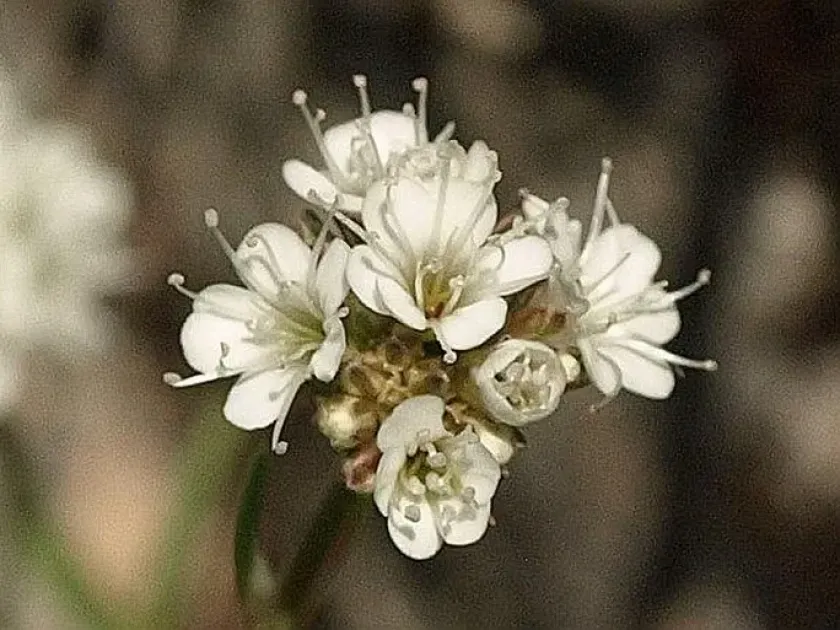
Description
Sowing dates
Seeds of Gypsophila petraea are typically sown in early spring, specifically in March or April, using light and well-draining potting soil. Maintaining a temperature range of 18–20°C ensures optimal germination rates.
Transplanting into the permanent outdoor location should take place once the risk of frost has passed, usually by late May. A sunny, open site is crucial for the healthy development of this species.
Autumn sowing is also a viable option, allowing the seeds to undergo natural stratification throughout the winter. This practice often results in more robust plant growth in the following season.
Spacing is a critical factor for success; plants should be placed 30–40 cm apart to ensure adequate airflow. Proper spacing prevents the microclimate from becoming too humid near the foliage.
As a member of the Caryophyllaceae family, this plant is specifically adapted for rock gardens and dry, stony environments where other ornamental plants might struggle to survive.
Growing requirements
The primary agrotechnical requirement for this crop is a dry, well-draining soil with a high content of calcium or lime. Heavy, moisture-retaining soils must be avoided to prevent root damage.
The ideal soil pH is neutral or slightly alkaline. Gardeners should monitor acidity levels and perform liming if necessary to maintain the plant's physiological well-being.
This species is highly drought-tolerant and requires minimal irrigation. Excessive watering is considered the most common cause of crop failure, as it quickly leads to root rotting.
Maintenance includes weeding throughout the growing season, especially while the plants are young and have not yet formed dense mats. Careful cultivation around the root zone is recommended.
Fertilization should be kept to a absolute minimum. Over-fertilization, especially with nitrogen, results in soft, succulent growth that is susceptible to pests and winter damage.
Main diseases and pests
Root rot is the most prevalent threat to Gypsophila petraea, usually triggered by poor drainage or excessive soil moisture. Improving the soil structure is the best preventive strategy.
Powdery mildew can infect the foliage during damp or humid periods. Application of appropriate fungicides should be localized to prevent the spread of the disease within the planting bed.
Leaf nematodes can cause significant damage to the plant tissue. Once identified, affected parts should be pruned back, and in severe cases, the entire plant should be removed to protect others.
Aphids may target the terminal buds during the spring growth flush. Integrated pest management using insecticidal soaps is often sufficient to control minor infestations.
Regular sanitation of the plant by removing old or diseased stems is vital. By keeping the site clean, growers reduce the overwintering capacity of common pathogens and pests.