
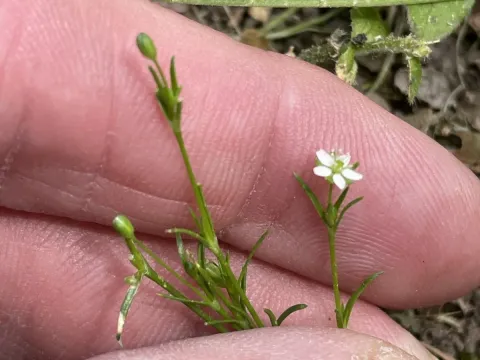
Sagina decumbens
Sagina decumbens
Sagina decumbens, commonly known as a type of pearlwort, is a member of the Caryophyllaceae family. Sowing is typically performed in early spring when temperatures reach at least 15 degrees Celsius to ensure steady germination.
What the section contains
Sagina decumbens
The seeds of this species are extremely small, necessitating surface sowing. They should be pressed lightly into a moist substrate but not buried, as they require exposure to light to trigger the germination process.
In nursery production, sowing is often done in trays to ensure better control over microclimate conditions. Once the seedlings reach a height of 2-3 centimeters, they are ready for transplanting into permanent beds.
For landscaping purposes, seeding directly into prepared soil requires precise site leveling to prevent seed displacement during rain. Ensuring a high density of seedlings is critical for forming a continuous carpet.
Germination usually takes about two to three weeks under consistent moisture. During this period, protecting the seeds from dehydration and heavy runoff is vital for successful establishment.
This crop thrives in well-drained, slightly acidic to neutral soils. It exhibits significant drought tolerance once fully established, but requires consistent moisture during the initial growth stages.
Sagina decumbens performs best in full sun to partial shade. Exposure to intense afternoon heat in drier climates may require supplementary irrigation to prevent foliage yellowing or dieback.
Soil structure should be friable and light. Heavy clay soils that retain excessive water are generally unsuitable without amendment, as they promote root rot and weaken the overall plant vigor.
While the plant is hardy, it benefits from mulching in regions with harsh, frost-heave-prone winters. A stable snow cover is ideal for protection against extreme temperature fluctuations.
Nutrient requirements are modest. Over-fertilization, especially with nitrogen, is counterproductive as it leads to weak, leggy growth rather than the desired dense mat structure.
The most common biological threats to Sagina decumbens are fungal pathogens, specifically those causing root rot and damping-off, which are triggered by poor drainage and stagnant air.
Invertebrate pests such as slugs and snails are highly attracted to the succulent foliage. Damage from these pests is most prevalent during damp, cool springs and autumns.
Aphid infestations may occur occasionally, particularly in plants stressed by improper watering or environmental shifts. Monitoring for stunted growth and distorted leaves is essential for timely intervention.
Cultural control remains the primary defense. Maintaining adequate spacing, improving site drainage, and ensuring proper airflow are the most effective strategies for long-term health.
When chemical intervention is required, selective fungicides and insecticidal soaps are standard tools. However, they should always be applied according to local agricultural safety guidelines.