
Round-leaved sandwort
Arenaria rotundifolia
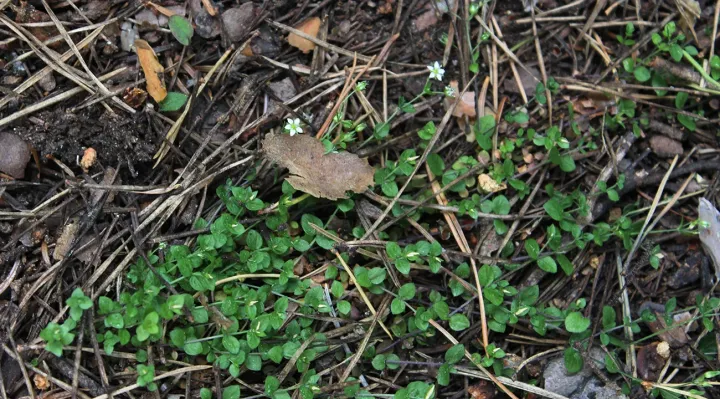
Description
Sowing dates
Sowing round-leaved sandwort is best achieved in early spring, as soon as the soil begins to warm up. The seeds typically have a high germination rate, but cold stratification for a few weeks prior to sowing can significantly improve uniformity.
For direct seeding in the garden, choose a location with light, well-draining soil. Spread the seeds thinly on the surface and press them lightly into the ground, as they require light exposure to trigger the germination process successfully.
When starting seeds indoors, use shallow trays filled with a sterile, sandy seed-starting mix. Maintain a temperature around 18–20 degrees Celsius and keep the surface moist using a fine misting spray to prevent the seeds from being washed away.
Seedlings should be thinned or transplanted once they develop at least two sets of true leaves. This ensures that each plant has enough space to develop a strong root system before being moved to its permanent outdoor location.
Transplanting into the garden should occur only after the danger of frost has completely passed. Space the plants approximately 15–20 centimeters apart to encourage them to spread and cover the ground effectively over the growing season.
Growing requirements
Round-leaved sandwort belongs to the Caryophyllaceae family and is highly valued for its creeping habit and delicate appearance. It thrives in conditions that mimic its natural mountainous or rocky habitat, requiring excellent drainage and plenty of sunlight.
The ideal soil profile is gritty and lean, containing a high percentage of sand or fine gravel. Heavy soils that retain moisture must be amended with grit to prevent the roots from succumbing to rot, which is the primary cause of plant failure.
Sun exposure is crucial for maintaining a compact, dense mound of foliage. In partial shade, the plant tends to lose its characteristic shape, becoming elongated and sparse, which reduces its overall aesthetic value in a landscape design.
This species is well-adapted to moderate drought and does not require frequent irrigation once established. Deep, occasional watering during extreme heatwaves is sufficient to keep the foliage healthy and vibrant throughout the summer months.
Minimal fertilization is necessary for round-leaved sandwort. In fact, providing too many nutrients often leads to excessive leaf growth, which can make the plant less hardy against cold temperatures and susceptible to structural floppiness.
Main diseases and pests
Root rot is the most common health issue, typically triggered by waterlogged soil. To prevent this, ensure that your planting site is slightly elevated or sloped to promote quick water runoff, especially during periods of heavy spring rainfall.
Powdery mildew may occur if the plants are crowded and airflow is restricted. To manage this, ensure sufficient space between individual plants and prune away any dead or decaying foliage to keep the center of the mound well-ventilated.
Slugs and snails can cause significant damage to the succulent-like foliage during damp nights. Placing coarse material like crushed shell or gravel around the base of the plant creates a physical barrier that these pests prefer to avoid.
Occasional infestations of aphids can be managed by gently washing the plants with a mild insecticidal soap solution. This is usually sufficient to handle minor outbreaks without needing strong chemical intervention.
Regular maintenance, including the removal of weeds and debris, is essential for the longevity of the plant. A clean environment reduces the risk of pathogens and encourages the plant to maintain its vigorous growth habit.