
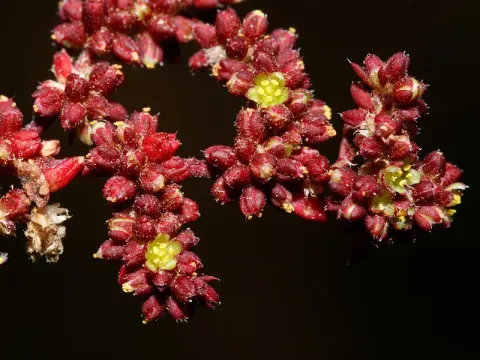
Rough ruptured-wort
Herniaria scabrida
Rough ruptured-wort (Herniaria scabrida) is a perennial herbaceous plant belonging to the Caryophyllaceae family. Known for its prostrate growth habit, this species forms dense, mat-like groundcovers, making it an excellent candidate for erosion control and ornamental garden design.
What the section contains
Rough ruptured-wort
The plant is native to dry, sunny habitats and has evolved to thrive in environments with limited water availability. Its physiological adaptation, characterized by a fine indumentum (hairs) on the leaves and stems, significantly reduces transpiration and protects the plant from excessive heat stress.
Successful cultivation requires well-drained, sandy, or rocky soil conditions with a neutral to slightly acidic pH. The plant is intolerant of waterlogging, and agricultural sites should be carefully selected to ensure rapid drainage, especially during periods of heavy rainfall or high humidity.
In terms of climate, Herniaria scabrida prefers temperate zones with plenty of exposure to sunlight. While it is hardy in many respects, plants may require protective mulching during exceptionally cold winters to prevent frost damage to the root system, particularly in regions prone to temperature fluctuations.
The economic value of this crop spans both pharmaceutical and landscaping industries. It is recognized for its traditional medicinal properties, specifically regarding diuretic and inflammatory applications, while its resilience to foot traffic and dry conditions makes it highly desirable for sustainable xeriscaping.
The primary agricultural threat to this crop is root rot caused by poor soil drainage and excess moisture. To maintain plant health, it is essential to implement a strict irrigation management program that prevents water saturation and ensures that the growing medium remains sufficiently aerated.
While pests generally avoid the plant due to its unique chemical profile, overcrowding can invite common issues like aphids or mites. Implementing spacing strategies and ensuring good airflow throughout the canopy is the most effective way to prevent biological threats without relying on chemical pesticides.