
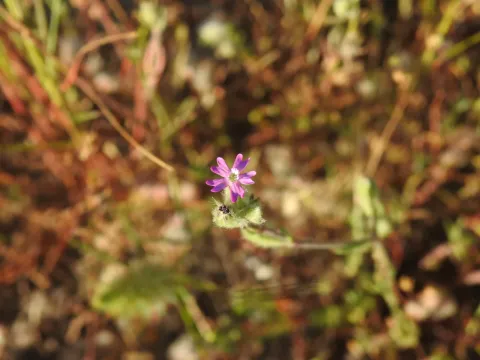
Silene micropetala
Silene micropetala
Silene micropetala belongs to the Caryophyllaceae family. As a crop, its cultivation requires careful planning to ensure optimal establishment, particularly focusing on soil temperature and moisture conditions at the time of sowing.
What the section contains
Silene micropetala
The ideal sowing window is early spring when soil temperatures reach 6 to 8 degrees Celsius. This timing ensures that seedlings benefit from residual winter moisture, which is essential for uniform germination and early root development.
Seeds should be planted at a shallow depth of approximately 1 to 2 centimeters. Since the seeds are small, precision drilling is recommended to ensure even distribution and to avoid over-seeding, which can lead to excessive plant competition.
Post-sowing soil compaction, known as rolling, is highly recommended to improve soil-to-seed contact. This practice promotes moisture uptake, which is a limiting factor for successful emergence in many soil types.
Effective stand establishment also depends on weed-free soil preparation. Pre-emergence cultivation or the use of approved practices to clear the field of competing vegetation is vital during the first weeks of growth.
This species thrives in well-drained, sandy loam soils with a neutral pH. It is sensitive to waterlogging, so fields with poor drainage should be avoided or modified before sowing to prevent root decay.
Silene micropetala prefers full sun exposure to maximize photosynthetic activity. Locations with high solar radiation support strong stem development and improve the overall vigor of the plant, leading to higher biomass yield.
Temperature requirements are generally moderate, with an optimal range between 18 and 24 degrees Celsius. The crop shows resilience to minor temperature fluctuations, making it suitable for varying continental climates.
Balanced nutrient management is crucial. While the crop can grow on moderately fertile soils, the addition of phosphorus and potassium can significantly enhance root structure and reproductive output during the flowering stage.
Adequate ventilation within the canopy is necessary to prevent high humidity levels. Proper row spacing helps in maintaining air circulation, which is a key agronomic strategy to prevent fungal outbreaks in dense plantings.
Fungal pathogens, particularly those causing leaf spot and rust, pose the most significant threat during periods of high humidity. Early detection and monitoring are essential for maintaining the health of the crop.
Invertebrate pests, such as aphids and specific moth larvae, often target the tender shoots and floral structures. Integrated Pest Management (IPM) strategies, including biological controls, are preferred to maintain field sustainability.
Root-related diseases are frequently linked to over-irrigation or poor soil structure. Maintaining soil health through proper rotation and drainage is the most effective way to prevent these subterranean issues.
Competition from aggressive weed species is a major challenge during the slow-growing initial phases of the crop. Mechanical weeding or inter-row cultivation is necessary to maintain a competitive edge for the crop.
Economic losses can be significant if outbreaks of foliage-feeding insects are not managed. Regular scouting of the fields provides the necessary data to apply targeted interventions only when thresholds are met.