
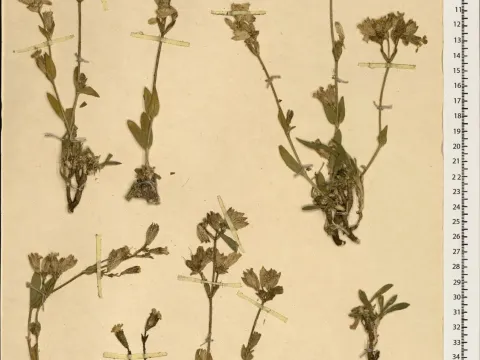
Silene odontopetala
Silene odontopetala
Silene odontopetala is a hardy herbaceous perennial belonging to the Caryophyllaceae family. Naturally occurring in mountainous regions, it is adapted to rocky soils, screes, and open forests, reflecting its resilience in diverse ecological niches.
What the section contains
Silene odontopetala
The native distribution of this species spans across the Caucasus and Western Asia. It thrives in temperate mountain climates, showing strong tolerance to cold winters and significant diurnal temperature variations throughout the growing season.
The plant is distinguished by its unique petal morphology, characterized by serrated edges that define the species. Its vegetative structure is robust, with erect stems and lanceolate foliage that allow it to compete effectively in its native habitat.
For successful establishment, the plant requires well-drained, porous soils with a neutral to slightly alkaline reaction. It does not tolerate waterlogging, as the roots are highly susceptible to rot if soil aeration is insufficient during dormant phases.
From an agricultural and horticultural perspective, Silene odontopetala serves as a valuable candidate for slope stabilization and xeriscaping. Its low maintenance requirements make it suitable for reclaiming marginal land in arid or high-altitude zones.
The primary pathological threats include various fungal pathogens, such as rusts and leaf spot, which thrive in stagnant, humid environments. Effective management involves maintaining adequate spacing between plants to optimize air circulation and reduce humidity levels.
Insect pests including aphids and certain lepidopteran larvae may cause damage to developing flower buds and foliage. Integrated pest management practices, focusing on the encouragement of natural predators, are recommended to maintain plant health without excessive chemical intervention.