
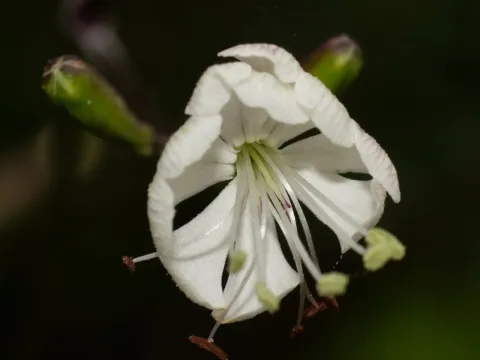
Silene longicilia
Silene longicilia
The sowing of Silene longicilia is typically performed in the spring when soil temperatures reach 10-12 degrees Celsius. Selecting sites with well-drained, light-textured soil is crucial to prevent excessive moisture retention during the germination phase.
What the section contains
Silene longicilia
The recommended sowing depth ranges from 1 to 2 centimeters depending on soil composition. On heavier clay soils, shallower sowing is advised to ensure that seedlings emerge uniformly and reach high crop density across the field.
Seeding rates generally fluctuate between 8 and 12 kilograms per hectare, depending on the seed quality. A row-seeding method with 15-20 centimeters of spacing between rows is optimal for allowing sufficient nutritional area and air circulation for each plant.
To improve germination energy, seeds are often subjected to stratification before sowing. This process mimics the natural dormancy cycle, allowing the plants to wake up more uniformly and develop stronger root systems early in the growing season.
Autumn sowing is only viable in regions with mild climates. It is vital that young plants establish a robust rosette before the first hard frosts arrive, otherwise, there is a significant risk of winter kill due to poorly developed root systems.
Belonging to the Caryophyllaceae family, this crop is highly demanding of sunlight. To ensure maximum photosynthetic efficiency and healthy development, the chosen fields must have direct sun exposure for the majority of the day.
The plant thrives best in carbonate or neutral soils. It shows a strong intolerance to acidic environments, so fields should be tested for pH levels before sowing, with lime application provided if necessary to stabilize soil conditions.
The culture exhibits moderate drought tolerance due to its physiological structure; however, maintaining soil moisture at 60-70% of field capacity during the active vegetative and flowering stages is essential for optimal yields.
As a perennial species, it is well-adapted to temperate zones. It strictly requires well-drained ground, as waterlogging during the early spring thaw can be detrimental, leading to rot and high mortality rates within the plant population.
Fertilization management should follow growth stages: phosphorus and potassium fertilizers are applied in the autumn during tillage, while nitrogen is applied incrementally in the spring to promote rapid vegetative growth and mass development.
The primary threats to Silene longicilia include fungal diseases such as powdery mildew, which proliferates in high-humidity conditions and wide temperature fluctuations during the flowering season, covering leaves in a white powdery layer.
Root rot is a major risk when agricultural practices are neglected, specifically regarding soil moisture management and crop rotation. To mitigate these risks, it is advised not to return the culture to the same plot for at least four years.
Pests, particularly sap-sucking insects like aphids, represent a constant danger by targeting growing points. When infestations occur, systemic insecticides are used in accordance with established safety protocols to protect the plants.
Weed competition is particularly critical during the early growth stages. Since the plant has a slow initial growth rate, mechanical inter-row cultivation is necessary to eliminate weeds and improve soil aeration around the root zone.
Constant phytosanitary surveillance throughout the growing season is essential. Early detection of disease symptoms or pest presence allows for timely interventions, effectively preventing significant yield losses and maintaining field health.