
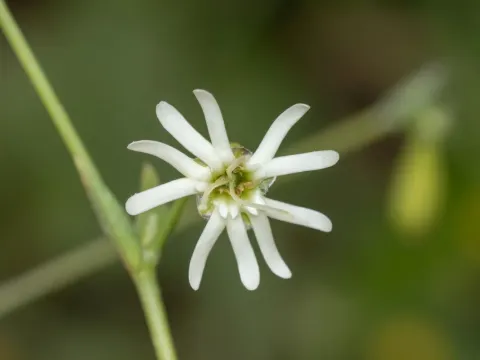
Silene longipetala
Silene longipetala
Silene longipetala belongs to the Caryophyllaceae family. The optimal sowing time for this crop is spring, specifically when the soil temperature consistently reaches 10-12 degrees Celsius, ensuring a successful germination process.
What the section contains
Silene longipetala
When starting seeds in a greenhouse, sowing is usually conducted in late winter or early spring. The seeds are small and should be sown near the surface to ensure they receive sufficient light, which is crucial for triggering germination.
Proper plant spacing is vital for the health of Silene longipetala. Maintaining a distance of approximately 30 centimeters between plants ensures adequate airflow, preventing humidity-related issues such as fungal pathogens.
Seeds maintain viability when stored in cool, dry conditions. It is highly recommended to use fresh seeds each season to ensure a high and uniform germination rate across the entire field or plot.
Preparing the seedbed involves fine-tuning the soil structure. Loosening the earth to a depth of 15 centimeters and incorporating compost allows the young roots to penetrate deeper into the ground quickly.
This crop thrives in full sun, which is necessary for robust growth and optimal flowering. Insufficient light levels often lead to leggy plants and reduced blooming performance throughout the season.
Soil requirements focus on well-draining, slightly alkaline or neutral substrates. Silene longipetala does not tolerate waterlogged conditions, making well-aerated soil a critical factor for success in various climates.
Temperature management is key for the development of Silene longipetala. The plant grows most actively between 18 and 24 degrees Celsius, showing good tolerance to moderate temperature fluctuations during the growing phase.
Watering should be balanced, focusing on keeping the soil moist but not saturated. Over-watering is a common mistake that can lead to root rot, especially in heavier soil types that lack sufficient drainage properties.
Regular maintenance involves shallow weeding to prevent nutrient competition. Mulching with organic material is a beneficial practice to preserve moisture levels and keep the root system protected from extreme soil heat.
Root rot caused by stagnant water is the most frequent threat to Silene longipetala. Implementing proper irrigation strategies and maintaining good soil drainage are the best preventive measures for this condition.
Aphids can be problematic during the early growth stages, often congregating on tender stems. Monitoring for these pests and using appropriate horticultural soaps or systemic insecticides is necessary if an infestation occurs.
Fungal diseases like rust can develop in overcrowded or poorly ventilated areas. Early detection and the removal of infected plant tissue, followed by targeted fungicide treatments, can stop the spread of infection.
Spider mites can cause significant damage during hot, dry spells. Providing consistent moisture and increasing ambient humidity during heatwaves can discourage mite populations from settling on the foliage.
Crop rotation remains the most effective long-term strategy for managing soil-borne diseases. Avoiding repeated cultivation of Caryophyllaceae species in the same spot minimizes the accumulation of harmful soil pathogens.