
Silene nodulosa
Silene nodulosa
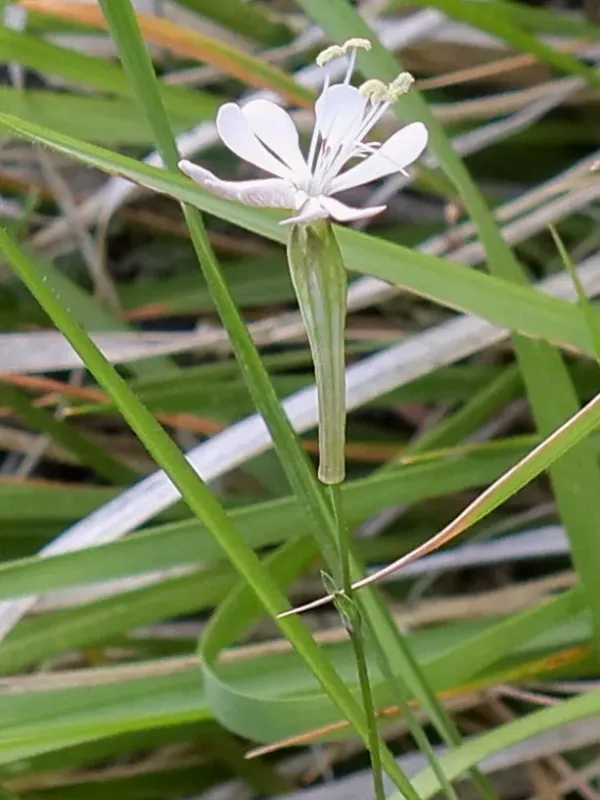
Description
Growing requirements
Silene nodulosa is a perennial herbaceous plant belonging to the Caryophyllaceae family. Its native range extends across temperate zones, where it has evolved to thrive in open meadow environments and well-drained slopes.
The botanical structure of this species is defined by its distinct nodal stems, from which it derives its scientific name. Its leaves are generally opposite, and its flowers feature the typical five-petal configuration seen throughout the Silene genus.
When cultivating this plant, site selection is crucial. It prefers sandy or loamy soils with excellent drainage, as the species is highly sensitive to root asphyxiation caused by waterlogged conditions.
Climatic requirements are relatively modest, as the plant exhibits significant drought tolerance. However, consistent moisture during the germination and early vegetative phases significantly improves the total biomass potential.
Regarding agricultural practices, minimal soil disturbance is recommended after establishment. The plant responds well to natural fertilization and maintains its vitality over multiple seasons when given adequate space for root expansion.
Main diseases and pests
The main threats to the plant include various species of lepidopteran larvae that feed on foliage. These pests can rapidly defoliate crops if their population levels remain unchecked during the peak growth season.
Fungal pathogens such as powdery mildew represent a significant risk in areas with high humidity and poor air circulation. Implementing wide spacing between rows is a primary preventive measure.
Root rot caused by soil-borne fungi is another critical issue, usually manifesting in heavy, compacted soils. Proper soil preparation and the use of organic amendments help mitigate this risk.
Weed control is essential, particularly in the first year of production. Manual or mechanical weeding between rows is preferred over herbicides to ensure the purity of the crop for potential industrial or pharmaceutical use.
Integrated Pest Management (IPM) strategies, including crop rotation and the use of beneficial insects, should be prioritized to maintain sustainable production levels and environmental health.