
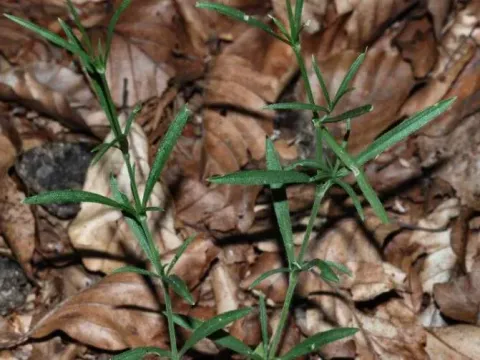
Silene multicaulis
Silene multicaulis
Silene multicaulis belongs to the Caryophyllaceae family. This perennial crop is typically propagated by seeds, which can be sown directly in open ground or started in seedling trays during early spring.
What the section contains
Silene multicaulis
When starting seeds indoors, a soil temperature of 18–20°C is ideal for germination. Seeds should be sown on the surface and barely covered with fine soil, as they often require light to germinate effectively.
For outdoor sowing, autumn is a preferred time as the seeds benefit from cold stratification during winter, leading to more uniform germination when the spring temperatures rise.
Seedlings should be transplanted to their permanent location once the risk of spring frosts has passed. Spacing is crucial, with 20–30 cm between plants ensuring enough room for development.
Proper bed preparation, including removing perennial weeds, is essential before sowing to ensure that young plants establish a robust root system without competition for nutrients.
Silene multicaulis thrives in sunny environments, as high light intensity is necessary to maintain compact plant growth and stimulate consistent flowering throughout the season.
The species prefers well-drained, slightly alkaline or neutral soils. It is highly intolerant of waterlogged conditions, which can lead to rapid root decay and loss of the crop.
In terms of irrigation, the plant is relatively drought-tolerant once established. It requires watering only during prolonged dry spells, ensuring that the soil surface dries out between applications.
Nutrient requirements are moderate; excessive nitrogen fertilization should be avoided as it encourages overly rapid, weak shoot growth that can make the plant susceptible to lodging.
The plant demonstrates excellent winter hardiness, making it a reliable perennial in temperate climates, provided that the soil drainage is managed appropriately to prevent freezing water around the crown.
Powdery mildew is a significant threat to Silene multicaulis, especially in humid conditions with poor airflow. Maintaining proper spacing and air circulation is the best preventive measure.
Root rots caused by various fungi represent a major risk, usually triggered by poor drainage or overwatering. Fungicide application may be necessary if environmental conditions favor pathogen growth.
Aphids and spider mites are the most common pests, targeting the tender buds and young leaves. Regular monitoring is essential to catch infestations before they cause significant damage.
Integrated pest management, including the use of targeted insecticides, is effective for controlling outbreaks. It is recommended to rotate products to prevent the development of pest resistance.
Sanitation practices, such as removing dead foliage and debris at the end of the growing season, are critical to reducing the carry-over of pathogens into the following year.