
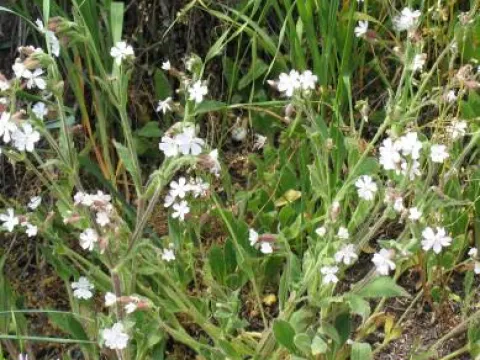
Silene marizii
Silene marizii
Sowing seeds of Silene marizii should be performed in the early spring, once the soil has sufficiently warmed up. For greenhouse production or early start, seeds can be sown in trays in late winter to ensure they are ready for planting after the last frost.
What the section contains
Silene marizii
The seeds are small and require light for germination, so they should be sown on the surface of the growing medium without covering them with soil. A light press with a board or hand is sufficient to ensure good seed-to-soil contact.
Optimal germination occurs at temperatures between 15-20 degrees Celsius. Keeping the substrate consistently moist but not waterlogged is essential for high germination rates.
Once seedlings have developed their first set of true leaves, they should be thinned out or transplanted into individual pots to avoid overcrowding. This ensures that each plant develops a robust root system before being moved to its final location.
Direct outdoor sowing is suitable in regions with long growing seasons, provided the site is cleared of weeds and the soil is appropriately prepared to prevent competition during the establishment phase.
Silene marizii thrives in full sunlight exposure. Selecting a site with at least six to eight hours of direct light per day is vital for preventing stem elongation and maintaining the plant's natural, dense growth habit.
The soil should be well-draining and possess a neutral to slightly alkaline reaction. Sandy or gritty soil textures are preferred as they replicate the native environment of the species and prevent excessive water retention around the roots.
While the plant is moderately drought-tolerant, supplemental watering during the flowering phase is recommended to maintain the quality and duration of the blooms. Proper irrigation management avoids the physiological stress associated with water extremes.
Nutrient requirements are relatively low; however, a balanced application of organic compost or a controlled-release fertilizer at the start of the season promotes healthy development and vigorous flowering.
Air circulation is critical for this species. Planting in areas with good natural ventilation helps regulate microclimate humidity and reduces the probability of moisture-related fungal issues during the summer months.
Aphids are the most common pests affecting Silene marizii, particularly in the spring when new growth is tender. Monitoring the undersides of leaves and using insecticidal soaps can manage these populations effectively.
Root rot is a significant threat associated with poor drainage. Once roots begin to decay, the plant is difficult to recover, making prevention through soil structure modification the primary management strategy.
Mildew infections may appear during periods of high humidity and poor ventilation. Pruning crowded areas of the plant helps improve airflow, which acts as a mechanical deterrent against fungal spore germination.
Slugs and snails can cause damage to young seedlings. Using physical barriers or bait traps is standard procedure in environments where these pests are prevalent to ensure the survival of young transplants.
Maintaining high hygiene standards in the planting area, such as the removal of debris and dead foliage, significantly reduces the overwintering capacity of many pests and diseases that affect this genus.