
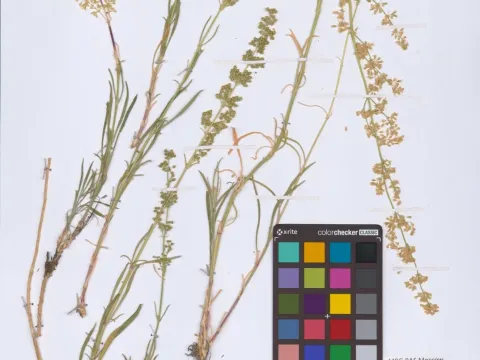
Silene media
Silene media
Silene media, a member of the Caryophyllaceae family, is a herbaceous perennial that requires strategic sowing to maximize establishment. Ideally, sowing should occur in early spring when soil temperatures allow for active germination.
What the section contains
Silene media
The seeds are relatively small, necessitating a shallow planting depth of approximately 1 to 2 centimeters to ensure proper seedling emergence and prevent exhaustion of seed reserves.
When incorporating Silene media into a forage mix, it is crucial to balance the seeding rate against more competitive grasses to ensure the species is not outcompeted during the crucial seedling stage.
Pre-sowing soil compaction is recommended to create a firm seedbed, which improves capillary moisture movement toward the seeds, significantly increasing the probability of a uniform stand.
For sustainable production, maintaining a weed-free environment during the first several weeks of growth is essential, as the species can be sensitive to heavy competition while initially developing its root system.
The crop thrives in temperate climates, showing significant resilience to fluctuations in seasonal temperature but preferring well-drained, fertile soil types.
Regarding soil conditions, Silene media performs best in substrates with a neutral to slightly alkaline pH, which facilitates the optimal uptake of micronutrients necessary for vigorous development.
Excessive soil moisture or waterlogging is highly detrimental to the plant, often leading to root decay and decreased yields; therefore, selecting fields with high landscape positions or adequate subsurface drainage is vital.
The plant requires full sun exposure to maintain high photosynthetic rates, which in turn supports the production of high-quality vegetative biomass or seed yield.
Nutrient management should focus on balanced phosphorus and potassium fertilization, which strengthens the plant's structural integrity and improves winter hardiness in colder growing zones.
Fungal diseases, specifically powdery mildew and various leaf spot pathogens, represent the most frequent threats, particularly when humidity levels remain high for extended periods.
Insect pests, including leaf miners and certain lepidopteran larvae, can cause significant damage to the foliage, which reduces the plant's overall energy production capacity.
Integrated Pest Management (IPM) strategies are highly recommended, focusing on crop rotation and the destruction of potential host weeds surrounding the production field.
In cases where chemical intervention is required, it is imperative to use products specifically approved for the crop and to adhere strictly to safety intervals to protect local pollinators.
- Regular scouting for pest pressure and disease symptoms.
- Maintaining soil fertility to support plant resistance.
- Strategic crop rotation to minimize soil-borne pathogens.