
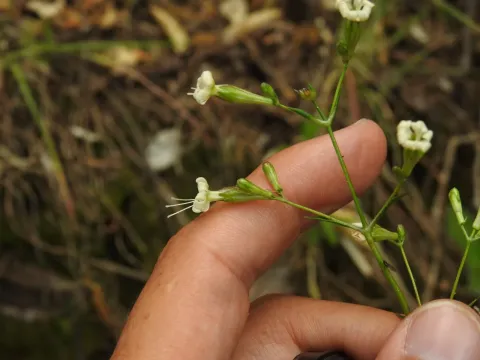
Silene mellifera
Silene mellifera
Silene mellifera belongs to the Caryophyllaceae family and is recognized as a significant forage crop for apiaries due to its nectar-producing properties.
What the section contains
Silene mellifera
The sowing process is best conducted in early spring, allowing the seeds to benefit from early seasonal soil moisture for efficient germination and establishment.
Recommended sowing density involves planting in rows spaced 30 to 45 centimeters apart, providing enough space for individual plant growth and seasonal maintenance.
The seeding rate typically ranges from 4 to 6 kilograms per hectare, depending on soil preparation and the intended density of the honey-producing field.
Shallow depth of seed placement (up to 2 centimeters) is critical, as small seeds require consistent surface humidity to initiate development successfully.
This crop thrives in open, sunny locations where light intensity is maximized, as light is a limiting factor for nectar secretion in this species.
Silene mellifera prefers well-drained, fertile soil, ideally with a neutral pH level to ensure the robust growth of its extensive root system.
While the plant is hardy, it benefits from moderate soil moisture; long periods of drought during the flowering phase can reduce total nectar output.
Agricultural management should prioritize early weed control, as the young rosettes of the plant grow slowly and can be easily outcompeted by aggressive weeds.
The species is well-adapted to various climates but shows peak performance in temperate zones where summer temperatures are stable and not excessively hot.
The main pests affecting the growth of Silene mellifera include flea beetles, which can cause significant damage to young leaves during the early vegetative stage.
Fungal diseases, such as powdery mildew, may emerge in overly dense or poorly ventilated stands, necessitating better spacing to improve airflow.
Root-feeding insects can cause stunted development, requiring rotation with non-host crops to minimize pest pressure in the soil over time.
Effective management of foliage-feeding larvae is essential to protect the inflorescences, as damage to flowers directly impacts honey production potential.
Preventive agricultural practices, including clean cultivation and proper plant spacing, significantly reduce the need for intensive chemical pest control.
The primary economic output of this plant is the nectar collected by honeybees, making it a critical asset for commercial and hobbyist beekeepers alike.
For seed harvesting, timing is essential; wait for the capsules to dry and turn brownish-grey to ensure the seeds have reached physiological maturity.
Mechanical harvesting via combine harvester should be performed during cool morning hours to prevent seed shattering during the cutting and threshing process.
Post-harvest conditioning includes cleaning the seeds using specialized sieves and drying them to a moisture content of approximately 12 percent for safe storage.
Properly handled seeds maintain high viability for multiple years, allowing farmers to maintain a reliable stock for ongoing field establishment and regeneration.