
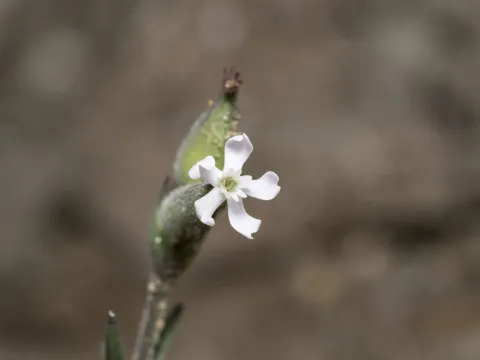
Silene macrodonta
Silene macrodonta
Silene macrodonta is a notable member of the Caryophyllaceae family. When cultivating this species, the sowing process begins in early spring as soon as the soil temperatures reach a stable range of 8 to 10 degrees Celsius.
What the section contains
Silene macrodonta
Due to the small size of the seeds, they should be sown at a shallow depth of approximately 1 to 2 centimeters. Ensuring proper soil contact through light rolling after planting is essential for uniform germination and seedling establishment.
The optimal seeding rate is generally calculated based on the specific seed quality, usually ranging from 8 to 12 kilograms per hectare. This density allows for optimal plant distribution while minimizing competition for nutrients.
Successive sowing or controlled irrigation during the germination phase can significantly improve the survival rate of young seedlings in areas prone to erratic spring weather patterns.
Strategic crop rotation is highly recommended for Silene macrodonta. Planting it in fields previously occupied by unrelated botanical families helps reduce the risk of soil-borne diseases and pest persistence.
Silene macrodonta thrives in well-lit environments and prefers loose, fertile soil types such as sandy loams. A neutral or slightly alkaline pH level is ideal for supporting robust vegetative growth.
The plant demonstrates good drought tolerance; however, for maximum biomass production, consistent moisture levels during the early development stages are beneficial. Excessive soil compaction must be avoided to ensure proper root respiration.
Soil nutrient management focuses on applying balanced phosphorus and potassium fertilizers during the preparation phase. Nitrogen application should be moderate to support healthy leaf development without compromising plant stability.
The ideal temperature range for the growth of this species lies between 18 and 25 degrees Celsius. Providing shelter from strong winds can prevent lodging and physical damage during the peak of the growing season.
Field maintenance, including regular inter-row cultivation, is necessary to keep the area weed-free. Minimizing weed competition ensures that the crop receives maximum solar exposure and nutrient availability.
The primary threats to Silene macrodonta include fungal pathogens like powdery mildew, particularly when ambient humidity levels are high for prolonged periods. Proper ventilation within the canopy is a key preventive measure.
Pest management involves monitoring for leaf-eating insects and caterpillars. Early detection is crucial, as significant leaf damage can reduce the overall photosynthetic capacity of the plants.
Root rot, often caused by poor drainage or overwatering, poses a risk to the crop. Maintaining the correct moisture balance and ensuring adequate soil structure is vital to mitigate this threat.
Integrated pest management strategies, such as the use of biological controls or selective insecticides, should be employed in accordance with local agricultural guidelines and safety standards.
Periodic field assessments and keeping records of plant health are essential practices for successful crop management. Addressing issues early reduces the need for heavy chemical intervention throughout the season.