
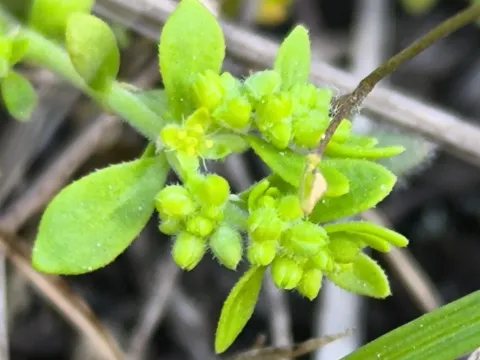
Herniaria polygama
Herniaria polygama
Herniaria polygama is a perennial herb belonging to the Caryophyllaceae family. It is recognized for its prostrate growth habit and its traditional utility as a medicinal plant.
What the section contains
Herniaria polygama
Seeds are extremely small, necessitating a very shallow sowing depth. Ideal planting occurs during early spring in well-prepared, fine-textured soil beds to ensure optimal germination rates.
Row planting is standard practice, with spacing approximately 25 to 30 centimeters apart to allow the plants to spread effectively without excessive competition for nutrients.
Field establishment is slow; therefore, ensuring a weed-free environment during the first stages of growth is crucial for the survival and development of the young plants.
Choosing the right site is important, as the plant requires full exposure to sunlight to stimulate healthy branching and maximize the concentration of active compounds.
This species is highly adaptable, thriving even in poor, sandy, or rocky soil conditions where more demanding crops often fail to establish or provide a stable yield.
It displays remarkable drought tolerance, which is a key agronomic advantage. While it prefers dry soils, moderate irrigation during the early growth stages will accelerate biomass accumulation.
Soil pH should ideally be neutral or slightly alkaline. The plant is sensitive to waterlogged conditions, making well-draining soil an absolute requirement for long-term survival.
Herniaria polygama is frost-hardy, allowing it to withstand harsh winter conditions without the need for additional protective covers in most temperate climate zones.
Fertilization is rarely necessary. If the soil is exceptionally nutrient-depleted, a light application of balanced minerals can improve the vigor of the plant stand.
The primary threats to this culture are fungal diseases, particularly those related to moisture-loving pathogens that attack the root system when drainage is inadequate.
Pest pressure is relatively low, though aphids can occasionally infest tender shoots during periods of rapid growth, requiring careful monitoring to prevent significant damage.
Management of these threats is best achieved through cultural practices, such as maintaining optimal plant spacing and ensuring the soil surface dries out between irrigation cycles.
Mechanical weed control is preferred over chemical interventions, as the plant is frequently cultivated for medicinal use where purity standards are strictly enforced.
Regular inspection for signs of chlorosis or leaf spot helps in identifying emerging issues early, allowing for targeted remediation before the infection spreads across the field.
Harvesting is performed during the peak flowering stage. This timing is essential to ensure that the harvested biomass contains the highest concentration of phytochemicals.
Using specialized cutters, the above-ground biomass is harvested carefully. It is important to leave the base of the plant intact to facilitate potential regrowth in subsequent seasons.
Post-harvest processing involves rapid drying in shaded, well-ventilated facilities. Maintaining low drying temperatures is vital to preserve the volatile constituents within the leaves.
Once dried to the desired moisture level, the material is cleaned and packaged. Proper storage in a cool, dark environment prevents degradation of the herbal properties.
The yield of dried material varies depending on soil fertility and climate, but with proper management, cultivators can expect consistent results over the lifespan of the stand.