
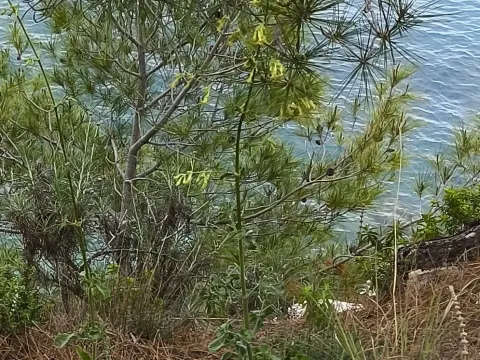
Giant Catchfly
Silene gigantea
The Giant Catchfly (Silene gigantea) is a perennial herbaceous plant belonging to the Caryophyllaceae family. In agricultural and horticultural contexts, propagation is primarily achieved through seeds, which should be sown in early spring or during the late autumn for winter stratification.
What the section contains
Giant Catchfly
Successful germination typically requires a cold-moist stratification period to break seed dormancy. When sowing, seeds should be lightly pressed into the soil surface or covered with a very thin layer of medium, as light is often beneficial for the germination process of this species.
Maintaining an ambient temperature between 15 and 20 degrees Celsius is ideal for seedling development. Once the plants reach a stage with several true leaves, they should be transplanted to their permanent growing sites after the danger of severe frost has passed.
Vegetative propagation via cuttings is another reliable method, usually performed in late spring. Cuttings taken from non-flowering shoots are rooted in a sandy, well-draining medium under controlled humidity and shade until a robust root system is established.
Proper spacing is essential for the health of the plants, as the Giant Catchfly can develop into a substantial specimen. Planting intervals of approximately 40 centimeters allow for adequate airflow between plants, significantly reducing the risk of foliage diseases.
Originating from the Mediterranean region, the Giant Catchfly thrives in sunny, well-lit environments. It requires significant solar exposure to maintain its structural integrity and produce abundant, characteristic blooms during the active growing season.
The species demands well-draining soil to prevent root rot, which is its most common physiological failure. Sandy loam or rocky, neutral-to-alkaline soils are preferred; heavy, water-retentive clays should be amended with organic matter or grit to improve aeration.
Watering practices should be moderate, focusing on keeping the soil moist but never waterlogged. Once the plants have established a deep root system, they exhibit notable drought tolerance, making them suitable for low-maintenance garden designs.
Fertilization is best applied in early spring as new growth emerges. A balanced, slow-release fertilizer is recommended, as excess nitrogen can lead to succulent, weak stems that are susceptible to lodging and common garden pests.
Winter protection is advisable in colder climates, particularly where frost heaving occurs. Mulching with organic materials such as bark or straw helps maintain consistent soil temperatures and protects the crown of the plant from extreme temperature fluctuations.
Powdery mildew represents the primary threat to the Giant Catchfly, especially in stagnant air conditions or high humidity. Maintaining adequate spacing and ensuring good ventilation around the base of the plant are critical preventative measures.
Root rot, caused by various soil-borne pathogens, is a constant risk if the soil remains excessively wet. If drainage issues are identified, immediate intervention is necessary, including amending the soil or adjusting the irrigation schedule.
Pests like aphids and spider mites can infest the foliage during hot, dry spells. Regular inspection is advised, and infestations can usually be managed with insecticidal soaps or targeted applications of botanical oils, which minimize harm to beneficial insects.
Slugs and snails may occasionally damage the young leaves of the plant. Barriers such as crushed eggshells or copper tape can be effective deterrents, while manual removal remains the most environmentally friendly control method in small-scale cultivation.
While viral infections are not widespread, they can occur through insect transmission. Any plant showing symptoms such as leaf curling, mosaic patterns, or severe stunting should be carefully removed and destroyed to prevent the spread of the virus to nearby healthy specimens.