
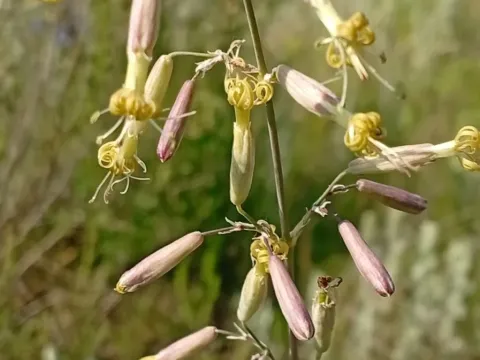
Green-flowered catchfly
Silene chlorantha
Silene chlorantha, known as the green-flowered catchfly, is a perennial herbaceous plant belonging to the Caryophyllaceae family. It is characterized by a strong taproot and erect stems that typically grow between 40 and 80 centimeters in height.
What the section contains
Green-flowered catchfly
The seeds of this species possess high germination potential. For optimal results, autumn sowing in open fields is recommended, as it allows seeds to undergo natural stratification. If spring sowing is chosen, seeds should be pre-chilled for 30–45 days to improve vigor.
Planting is performed in rows with a spacing of 30–40 centimeters. This ensures adequate space for each plant to develop. The recommended sowing depth is 1 to 2 centimeters; burying seeds too deep can significantly inhibit germination.
Seedlings typically emerge 2 to 3 weeks after sowing, provided that the soil moisture levels are consistent and the ambient temperature remains above +15 degrees Celsius. Early development is focused on the formation of a basal rosette.
As a cultivation project, this plant serves both decorative and ecological purposes. Its unique aesthetic and resilience make it a suitable choice for managed landscapes that require low-maintenance perennial cover.
This crop prefers light, well-drained soils, such as sandy loams or loamy substrates. Poor drainage is the primary enemy of the plant, as stagnant water at the roots often leads to rapid decay and plant loss.
Silene chlorantha is a sun-loving species. It performs best in open, sunny locations where it receives ample light throughout the day. Shade can result in leggy growth and reduced flowering performance, diminishing its overall appeal.
The ideal soil pH for this plant ranges from 6.5 to 7.5 (neutral). On highly acidic soils, liming is recommended to ensure that nutrient uptake occurs efficiently and to avoid root stress.
While the plant is somewhat drought-tolerant, supplemental watering during the budding phase is beneficial. Avoiding nitrogen-heavy fertilizers is crucial, as excess nitrogen promotes foliage growth at the expense of floral development.
The plant demonstrates significant winter hardiness in temperate regions. Once established, it does not require special winter protection, provided that the soil is not prone to deep freezing while saturated with water.
Like many species in the Caryophyllaceae family, Silene chlorantha is susceptible to powdery mildew. This fungal disease is particularly prevalent when the plants are grown in overcrowded conditions or during periods of high humidity.
Root rot is a common threat associated with waterlogged soil. Ensuring proper aeration and preventing water accumulation around the crown are vital cultural practices for maintaining a healthy plantation.
Pests such as aphids and leaf-rolling caterpillars can damage the buds and tender new shoots. Regular monitoring is recommended to apply targeted control measures before significant damage occurs to the decorative stems.
Maintaining a weed-free environment is essential, as weeds compete for moisture and nutrients and can harbor plant pathogens. Manual weeding is often preferred in smaller plots to avoid damaging the root system of the catchfly.
Integrated pest management strategies should be employed, focusing on cultural practices such as spacing and moisture control before resorting to chemical interventions to keep the culture healthy.