
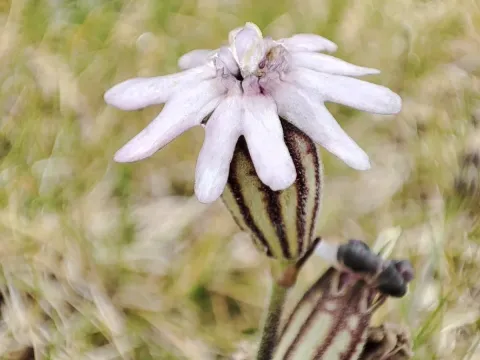
Fringed campion
Silene ciliata
Silene ciliata, a member of the Caryophyllaceae family, is a herbaceous perennial adapted to rocky and mountain environments. Understanding its natural habitat is crucial for successful propagation and cultivation in agricultural or horticultural settings.
What the section contains
Fringed campion
Seeds of Silene ciliata require stratification to break dormancy. For best results, sow the seeds in the late autumn or early winter in containers placed outdoors. This natural cooling process simulates the conditions of their native alpine ranges.
When sowing in the spring, ensure that the seeds are barely covered by a thin layer of fine substrate. Light is an essential factor for the germination of this species, so deep burial of the seeds must be strictly avoided.
Maintain the sowing containers in a bright location with a stable temperature around 15–18 degrees Celsius. Constant light moisture is necessary, but the soil should never become waterlogged, as seeds are highly prone to rotting.
Seedlings develop relatively slowly during the first phase of growth. Once they reach the true leaf stage, they can be carefully transplanted into individual pots, being cautious not to damage the emerging taproot system.
The primary requirement for Silene ciliata is excellent drainage. The species naturally grows in rocky crevices and poor soils, making it highly sensitive to root asphyxiation caused by water saturation in heavier soil types.
Choose an open, sunny location for planting. While the plant can tolerate partial shade, full sun exposure is necessary to maintain its characteristic compact, mound-forming habit and to ensure profuse flowering during the growing season.
The soil should be lean, mineral-rich, and slightly alkaline. Incorporating limestone chips or fine gravel into the planting medium mimics its natural habitat and significantly increases the plant's longevity and health.
Climate-wise, the plant is remarkably hardy, surviving cold winters well. However, in regions prone to heavy winter rains without snow cover, providing protection to keep the base of the plant dry is a recommended management practice.
Watering should be deep but infrequent. Allow the soil to dry out significantly between irrigation sessions. Fertilizer application should be avoided or kept to a very low, slow-release level to prevent excessive vegetative growth.
Fungal pathogens, particularly those causing root rot, are the most significant threat to the health of Silene ciliata. These infections are almost always a result of poor drainage, stagnant water, or excessively high humidity.
Pests such as aphids and spider mites can infest the plant, especially during prolonged periods of drought. Their feeding activities can cause yellowing of leaves and a general decline in the plant's aesthetic value and vitality.
Leaf-eating insects, including various types of caterpillars, may pose a risk during the early summer months. Regular manual inspections and the use of botanical insecticides can help manage these populations effectively.
Weed competition is a silent threat. Invasive plants nearby can trap moisture and increase humidity levels around the foliage, which invites fungal infections. Keeping the immediate area clear is essential for plant health.
To prevent disease, avoid overhead irrigation, which keeps the leaf rosettes wet and encourages spore germination. If signs of powdery mildew appear, apply a specialized fungicide according to local agricultural standards.