
Giant pink
Dianthus giganteus
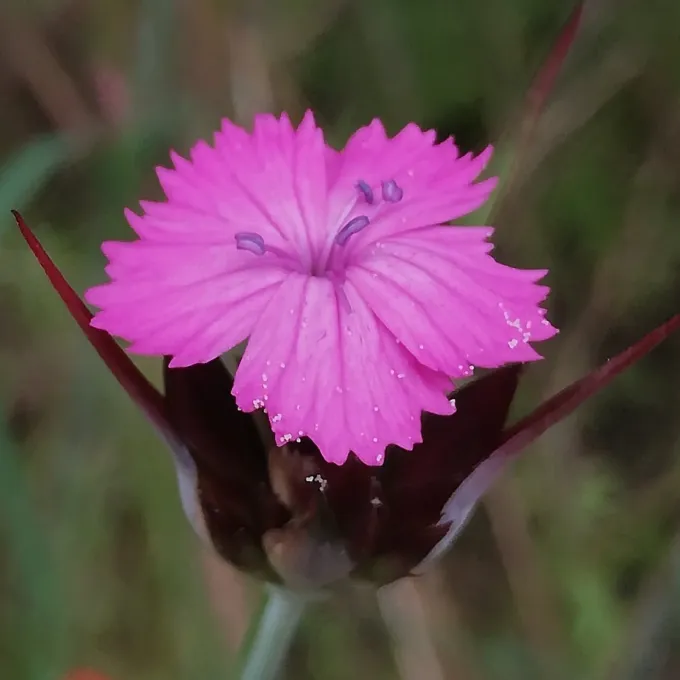
Description
Sowing dates
Sowing of Dianthus giganteus is typically performed in early spring once the threat of severe frost has passed. Seeds should be sown in well-prepared, friable soil in a sunny location to ensure optimal germination rates.
When starting indoors, seeds are placed in seed trays during late winter. Using a light, sterile potting mix helps prevent damping-off, a common issue for seedlings in poorly ventilated environments.
The seeds require light for successful germination, so they should be only lightly covered with fine soil or vermiculite. Maintaining a temperature range of 18–20°C is essential during the initial development stage.
Once seedlings have reached a size suitable for handling, they are transplanted into individual pots or a nursery bed. Proper spacing is crucial to prevent competition for light and nutrients among young plants.
Acclimatization of the plants before permanent outdoor placement is a recommended practice to minimize transplant shock and ensure robust growth throughout the first season.
Growing requirements
Dianthus giganteus, a member of the Caryophyllaceae family, is a herbaceous perennial known for its imposing height and structural strength. It originates from the rocky and grassy landscapes of Southeastern Europe.
The plant thrives in full sun and requires well-drained, alkaline-to-neutral soils. Soil texture should be light to prevent waterlogging, as the species is sensitive to excessive root moisture, particularly during the winter dormancy.
Regarding fertilization, moderate application of balanced NPK fertilizers is sufficient to support healthy foliage and the production of its characteristic dense inflorescences. Avoid over-fertilization, as it can cause leggy growth.
Maintenance involves routine weeding, as the species does not compete well with vigorous perennial grasses. The use of mulch can help retain moisture in extremely dry climates while suppressing weeds.
- Full solar exposure for maximum blooming.
- Excellent drainage to prevent root rot.
- Minimal nitrogen fertilizer to maintain stem strength.
- Adequate airflow between individual plants.
Main diseases and pests
Fungal pathogens such as Fusarium wilt represent a significant threat to the crop, especially in humid or poorly drained soils. Infected plants typically exhibit yellowing and wilting, requiring immediate removal to prevent spread.
Leaf spots caused by Alternaria or similar fungi can manifest under prolonged wet conditions. Fungicidal treatments should be applied preventatively if the local climate is prone to high humidity during the growing season.
Pests such as aphids and spider mites may target the succulent growth during dry spells. Targeted use of biological controls or specialized insecticides is effective in managing these outbreaks.
Regular monitoring of the lower leaf surfaces is vital to catch infestations early. Maintaining plant hygiene by clearing debris around the base of the plants reduces the overwintering capacity of pests.
Cultural practices such as crop rotation and the selection of disease-free propagation material are the most effective strategies for long-term management of plant health in this species.