
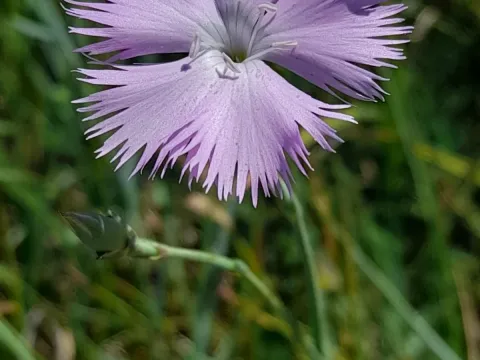
French Pink
Dianthus gallicus
French Pink (Dianthus gallicus) is a perennial herb belonging to the Caryophyllaceae family. Its natural habitat is primarily concentrated along the Atlantic coast of France, where it colonizes sandy dune systems and maritime ecosystems.
What the section contains
French Pink
This species is exceptionally well-adapted to environments with intense sunlight, high wind speeds, and poor, nutrient-deficient soils. Unlike many other ornamental flowers, it thrives in sandy, well-draining substrates, making it an excellent candidate for xeriscaping.
The botanical structure of Dianthus gallicus includes narrow, glaucous leaves and fragrant, delicate flowers that bloom during the late spring and summer months. Its deep root system allows it to stabilize shifting dunes, showcasing its importance in coastal ecological restoration.
Regarding cultivation requirements, the plant demands full sun exposure for at least six to eight hours per day. Soil drainage is the most critical factor; even brief periods of waterlogging can lead to the rapid death of the specimen due to oxygen starvation at the roots.
In landscape design, it serves as a low-maintenance perennial for rock gardens and borders. It requires very little fertilization, and over-feeding can actually lead to weak, elongated stems that require staking to remain upright.
The most prevalent diseases affecting French Pink are related to fungal pathogens, particularly in regions with high atmospheric humidity. Fusarium wilt is a common threat, causing the plant to suddenly collapse and dry out despite adequate watering.
Root rot caused by Pythium species is a major risk if the soil remains damp for extended periods. Implementing proper soil drainage and avoiding overhead irrigation can significantly reduce the incidence of these destructive pathogens.
Common insect pests include aphids and mites, which tend to congregate on the succulent parts of the stems and the developing buds. These pests can transmit viral infections in addition to causing direct feeding damage to the plant's tissues.
Leaf rollers and other caterpillars can also cause significant damage by consuming the foliage and boring into the stems. Regular monitoring of the foliage, especially in the early stages of growth, allows for quick intervention before the infestation becomes severe.
Effective management strategy involves a combination of cultural practices, such as maintaining correct plant spacing, and the judicious use of pesticides when necessary. Keeping the garden area clean of debris helps in breaking the pest life cycle and preventing recurring outbreaks.