
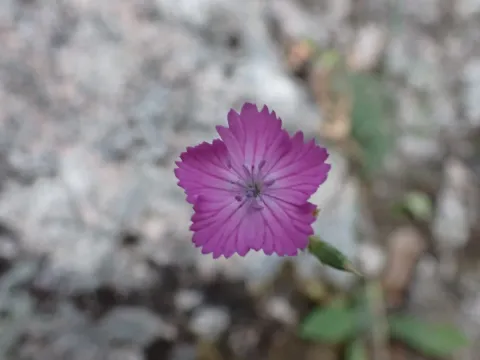
Granite pink
Dianthus graniticus
Granite pink, scientifically known as Dianthus graniticus, is a perennial flowering plant belonging to the Caryophyllaceae family. It is naturally adapted to rugged, rocky terrains, which makes it a resilient choice for alpine gardens and rockeries.
What the section contains
Granite pink
Seeds are typically sown in early spring, indoors or in a greenhouse setting. A light, well-draining potting medium is essential, as the seedlings are susceptible to dampening off if the environment remains excessively moist for a prolonged period.
When sowing directly into the garden, soil temperatures should be consistently above 15 degrees Celsius. The seeds require light for germination and should be sown shallowly, lightly pressed into the surface rather than buried deeply.
Seedlings emerge within two to three weeks under optimal conditions. It is important to thin the young plants early to prevent overcrowding, which can lead to poor air circulation and stunted development of the primary rosettes.
For more experienced growers, vegetative propagation via stem cuttings is a viable option. Cuttings are best taken in late spring or early summer, allowing them to establish a robust root system before the onset of winter dormancy.
Dianthus graniticus requires a location with full sun exposure to maintain its compact growth habit and produce an abundance of flowers. Any shade, especially in the afternoon, will weaken the plant's structure and diminish its bloom cycle.
The soil profile must be sandy or gravelly, providing excellent drainage to simulate the plant's natural rocky habitat. Heavy or acidic soils should be amended with grit or crushed rock to increase porosity and ensure stability.
Water requirements are relatively low once the plant is established. Supplemental irrigation should only be provided during extended periods of drought, ensuring the water is applied directly to the base of the plant to keep the foliage dry.
Fertilization should be kept to a minimum, as this species is adapted to nutrient-poor soils. Excessive nitrogen will result in lush, leggy growth that is prone to lodging and more susceptible to fungal infections during humid conditions.
Annual maintenance involves clearing away dead leaves and spent flower stems in late autumn. This practice not only improves the plant's appearance but also reduces the hiding places for pests and helps prevent the buildup of pathogens.
Fungal pathogens such as Rust and Fusarium wilt are the most significant threats to the long-term health of this species. These diseases thrive in environments with poor ventilation and high humidity, quickly affecting the stem and crown tissues.
Insect pests, including aphids and spider mites, can cause significant damage during the active growing season. They frequently congregate on the soft, developing buds, sapping the plant's energy and causing deformations in the flowers.
Effective management begins with strict sanitation: removing and destroying any infected plant material immediately prevents the spread of spores. Keeping the surrounding area free of weeds also reduces the competition for resources.
Using inorganic mulch, such as pea gravel, around the base of the plant is an effective cultural control. This keeps the crown dry and prevents the foliage from touching moist soil, which is the primary entry point for many pathogens.
If chemical intervention becomes necessary, systemic treatments should be applied during the early stages of infestation. Always follow local agricultural guidelines regarding application rates and frequency to protect the plant and its surrounding environment.