
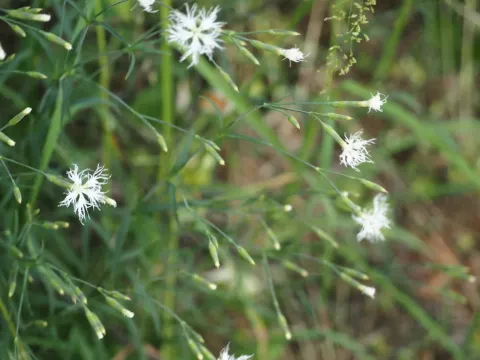
Sand pink
Dianthus arenarius
Sowing of Dianthus arenarius typically occurs in early spring, once the danger of severe frost has passed and soil temperatures reach approximately 15 degrees Celsius.
What the section contains
Sand pink
Seeds should be sown in a light, well-draining substrate, covered only slightly as they require some light for optimal germination, which usually occurs within two weeks.
When starting indoors, it is recommended to use seed trays with adequate depth for root development, followed by transplanting to individual containers before final outdoor placement.
Direct seeding into the field requires careful preparation of the seedbed, ensuring that the soil surface is leveled and free of large clods to prevent burial of the small seeds.
Spacing is a critical factor for successful establishment; seedlings should be separated by at least 25 centimeters to allow for lateral growth and healthy development of the plant base.
Sand pink belongs to the Caryophyllaceae family and is recognized for its preference for sandy, nutrient-poor, and high-drainage environments, mirroring its natural habitats.
The plant requires full sun exposure, as it is adapted to open, dry areas; inadequate light results in weak, etiolated stems and significantly reduced floral production.
Soil pH should ideally be neutral to slightly alkaline, as acidic soils can impair the uptake of essential nutrients and weaken the structural integrity of the plant.
Watering requirements are low, and the species is highly drought-tolerant, making it an excellent candidate for xeriscaping and sustainable ornamental landscape design.
Regular maintenance involves light pruning of the foliage after the flowering period to encourage a second flush of blooms and maintain a tidy, compact growth habit.
The most common issues for Dianthus arenarius are root and crown rots, which are directly related to poor drainage and waterlogged soil conditions during the growing season.
Fungal diseases, such as leaf spot, are prevalent in humid climates, particularly when plant density is too high, preventing adequate airflow and drying of the leaf surface.
Insect pests, including aphids and thrips, can cause damage to tender new growth and developing flower buds, requiring vigilance and potential use of targeted insecticides.
Implementing a proper crop rotation schedule and maintaining clean surrounding areas helps mitigate the build-up of soil-borne pathogens in the production zone.
Effective pest management should prioritize cultural controls, such as appropriate spacing and timing of irrigation, to reduce the reliance on chemical interventions.