
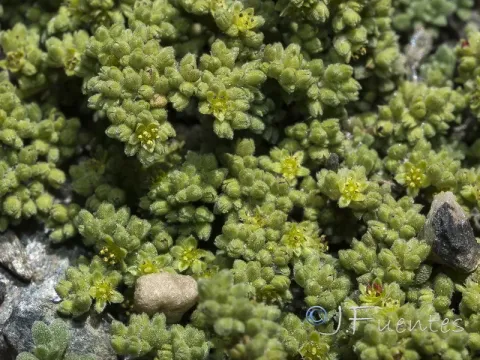
Herniaria boissieri
Herniaria boissieri
Herniaria boissieri is a perennial herb species belonging to the Caryophyllaceae family, recognized for its resilience in challenging environmental conditions.
What the section contains
Herniaria boissieri
Originating from Mediterranean regions, the plant is well-adapted to arid climates where it thrives in well-drained, sandy, or rocky soil compositions.
The morphology of this plant features prostrate stems that form dense mats, providing excellent ground coverage and soil protection against wind and water erosion.
For agricultural success, it is imperative to choose sites with full sun exposure and moderate temperatures to ensure the plant's metabolic processes are optimized throughout the season.
Cultural practices should focus on soil aeration, as this species is highly sensitive to waterlogging, which can rapidly compromise the health of its root architecture.
The primary threats to the cultivation of Herniaria boissieri include fungal pathogens such as Pythium and Rhizoctonia, which thrive in damp, poorly ventilated soil environments.
Foliar pests can also pose significant challenges during the growth phase, leading to physical damage that reduces the economic value of the harvested biomass.
Weed competition is particularly detrimental during the establishment phase, as the slow-growing nature of the crop makes it vulnerable to more aggressive botanical invaders.
Integrated Pest Management (IPM) strategies are highly recommended to monitor for early signs of infestation and to maintain a healthy balance within the agricultural ecosystem.
Proper sanitation of farming equipment and seed selection are vital steps to prevent the introduction of soil-borne diseases that could jeopardize the entire crop cycle.