
Herniaria algarvica
Herniaria algarvica
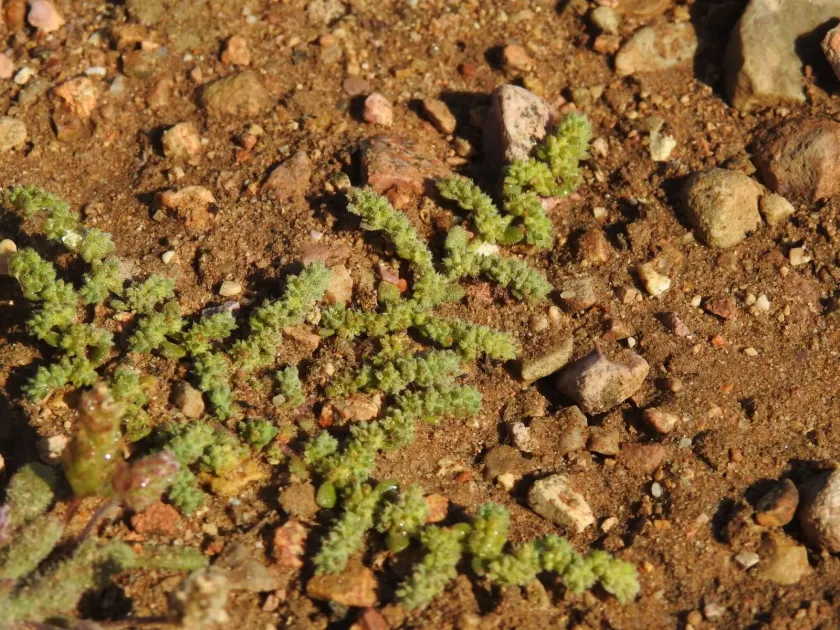
Description
Growing requirements
Herniaria algarvica is a perennial herb belonging to the Caryophyllaceae family. It is characterized by its prostrate stems that spread across the ground, forming dense, carpet-like mats, making it an excellent candidate for soil stabilization.
Native to the southwestern regions of the Iberian Peninsula, particularly Portugal, this plant is naturally adapted to sandy and rocky habitats. It thrives in nutrient-poor soils where other competitive species struggle to survive.
The plant demands full sunlight for optimal development. In cultivation, it is essential to provide well-drained soil, as the plant is highly intolerant of waterlogging, which often leads to rapid decay of the root system.
The climate requirements include high heat tolerance and the ability to withstand prolonged dry spells. Due to its xerophytic nature, it does not require frequent irrigation once the root system is established in its growing site.
From an agricultural standpoint, Herniaria algarvica is cultivated for its medicinal properties and its role in xeriscaping. Its ability to create sustainable, low-maintenance ground cover makes it valuable for arid-climate landscaping projects.
Main diseases and pests
Root rot pathogens, such as Pythium and Phytophthora, represent the primary threat to the crop. These are triggered by moisture accumulation and can cause total crop failure if soil drainage is not managed correctly.
Powdery mildew may occur when humidity levels remain high or airflow is restricted. To mitigate this risk, spacing requirements must be strictly followed during the planting process to ensure good ventilation.
Spider mites are a common pest in hot, arid environments where the plant is typically grown. Frequent monitoring and the application of suitable acaricides are necessary during the peak of the summer season.
Root-knot nematodes can weaken the plant by attacking the root structures, leading to stunted growth. Crop rotation and using sterilized soil mixes are effective preventive measures against these parasitic worms.
Weeds pose a significant challenge during the early establishment phase due to the plant's relatively slow growth rate. Careful manual weeding is recommended over the use of harsh herbicides to protect the delicate foliage.