
Heliosperma
Heliosperma
Heliosperma is a genus of perennial herbaceous plants belonging to the Caryophyllaceae family. These plants originate from the mountainous regions of Europe, where they are commonly found in rocky crevices and scree slopes, demonstrating remarkable adaptability to harsh environments.
What the section contains
Heliosperma
Cultivation of Heliosperma requires specific conditions that mimic its natural alpine habitat. The soil must be exceptionally well-drained, porous, and neutral or slightly alkaline. Incorporating gravel or coarse sand into the growing medium is essential to prevent moisture accumulation.
The plant thrives in cool, temperate climates with plenty of sunlight. While it is highly winter-hardy, it struggles in conditions of high humidity combined with stagnant air or excessive summer heat, which can stress the plant and reduce its vigor.
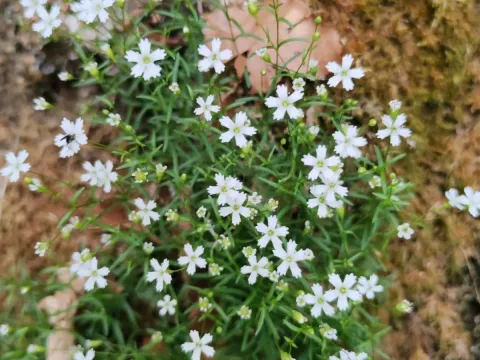
Botanically, the plant forms small, compact tufts of foliage. The stems are typically thin and support delicate white flowers, which are the main aesthetic draw. The root system is deep and fibrous, designed to anchor the plant firmly in rocky substrates.
In terms of practical use, Heliosperma is primarily utilized in specialized horticulture, particularly for rock gardens and alpine houses. Its role in agriculture is minimal, as it is classified as an ornamental plant rather than a field crop.
The primary threats to the health of Heliosperma are root rots caused by overwatering and poor drainage. Ensuring the substrate dries out sufficiently between watering sessions is the most effective cultural method to prevent these issues.
Pests such as aphids and spider mites may occasionally infest the plants, especially in sheltered or warm spots. Regular monitoring is encouraged, and manual removal or the application of mild horticultural oils is usually sufficient to manage these populations.