
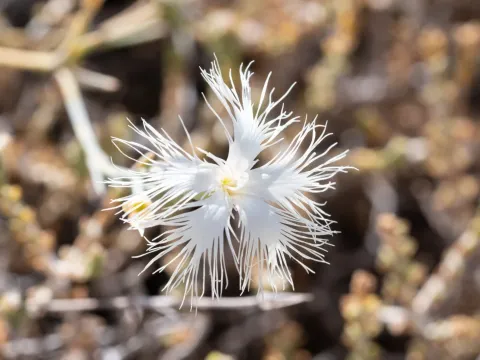
Hairy Pink
Dianthus crinitus
Sowing of Dianthus crinitus seeds in open ground is typically performed in early spring when the soil temperature consistently stays above 12 degrees.
What the section contains
Hairy Pink
For better control over plant development, nursery production using greenhouse trays is recommended starting from the end of winter.
Seeds should be covered with a very thin layer of fine substrate to allow light penetration, which is vital for successful germination.
Seedlings need to be thinned or transplanted into individual pots once they reach the two-leaf stage to ensure proper root development.
Hardening off the plants is a critical step before moving them outdoors to help them adjust to fluctuating temperatures and direct sunlight.
Dianthus crinitus is a member of the Caryophyllaceae family, naturally found in rocky and steppe habitats across parts of Eurasia.
The plant thrives in well-draining, slightly alkaline, or neutral soils and cannot tolerate stagnant water, which leads to root rot.
Full sun exposure is essential for the healthy growth and abundant flowering of this species, making it ideal for rock gardens.
Watering requirements are moderate; the plants demonstrate high drought tolerance once established in their permanent location.
Regular fertilization with low-nitrogen, high-phosphorus fertilizers can significantly improve the quality and duration of the blooming period.
Fungal diseases, including Fusarium wilt and various leaf spots, are the primary threats to the health of the Hairy Pink crop.
Common pests such as aphids and spider mites can attack the plant during dry spells, necessitating regular crop monitoring.
Adequate spacing between individual plants is crucial to promote air circulation and minimize the spread of moisture-related pathogens.
In cases of severe infestation, targeted applications of systemic fungicides or insecticides are necessary to maintain the crop yield.
Sanitation practices, such as the removal of dead foliage, help prevent the overwintering of pests and spores in the cultivation area.