
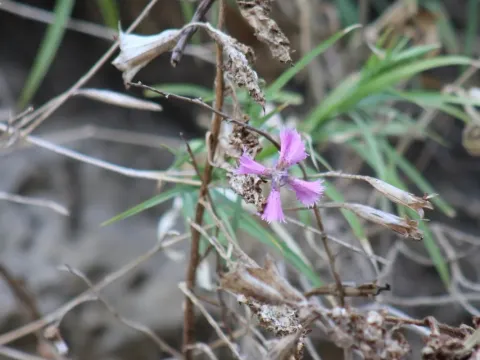
Dianthus pendulus
Dianthus pendulus
Dianthus pendulus is a perennial herbaceous plant belonging to the Caryophyllaceae family. Originally native to alpine regions and rocky terrain, it has adapted to harsh environmental conditions, making it a resilient choice for specialized landscaping and ornamental purposes.
What the section contains
Dianthus pendulus
The crop thrives in well-drained, calcareous soils. A neutral or slightly alkaline pH level is ideal for nutrient absorption. The most critical aspect of its soil requirements is the prevention of water stagnation, as the root system is highly susceptible to rot if kept in consistently damp, heavy soil.
As a light-loving species, it requires full solar exposure to develop its characteristic growth habit. Insufficient sunlight causes the stems to become weak and leggy, significantly reducing the flower yield and overall structural integrity of the plant during the blooming phase.
In terms of climate, Dianthus pendulus exhibits remarkable cold hardiness due to its evolutionary history. It is well-suited for temperate climates, although adequate protection from extreme winter moisture—such as mulch or frost covers—is recommended to prevent root damage during freeze-thaw cycles.
Agricultural management should focus on maintaining a clean growing environment. Regular weeding is necessary to prevent competition for nutrients and space, while light pruning after the primary flowering period encourages vegetative growth and prepares the plant for the next season.
Fungal pathogens such as Fusarium wilt and various leaf spots are the primary threats to Dianthus pendulus. These diseases are usually exacerbated by improper moisture management and excessive humidity around the foliage, which creates a favorable environment for spore germination.
Pests that commonly infest this crop include aphids, spider mites, and thrips. These insects can cause significant damage to the apical meristems and developing buds, often resulting in distorted flowers and reduced commercial value of the crop yield.
To control these threats, growers should implement a strict monitoring program. Early detection of pest colonies or signs of chlorosis can prevent widespread outbreaks that would otherwise necessitate expensive chemical interventions across the entire planting area.
Proper plant spacing is vital to ensure adequate air circulation, which is one of the most effective cultural controls for preventing airborne fungal infections. High-density planting without sufficient ventilation will almost certainly lead to outbreaks of mildew and other moisture-related blights.
The use of balanced fertilization protocols, avoiding excessive nitrogen, helps maintain a sturdy cell wall structure, making the plants naturally more resistant to both sucking pests and common pathogenic fungi that thrive on lush, succulent growth.