
Dianthus monadelphus
Dianthus monadelphus
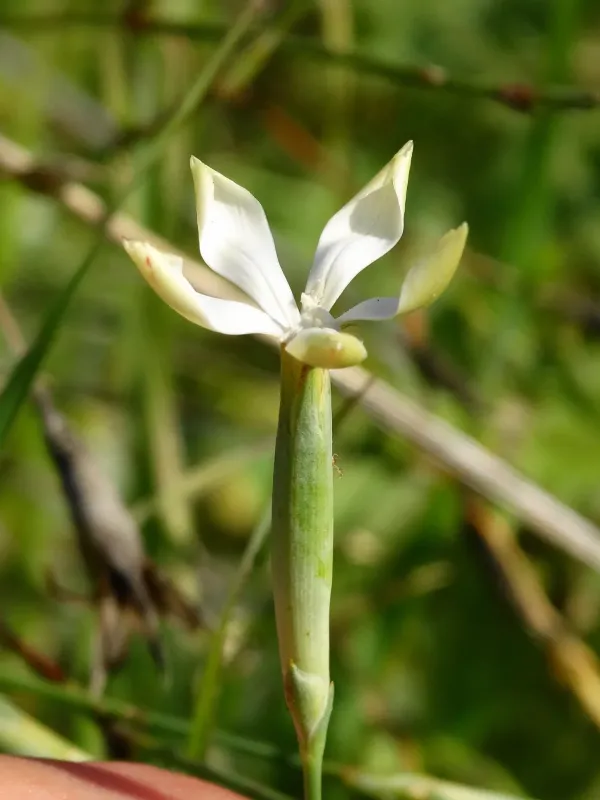
Description
Sowing dates
Sowing seeds of Dianthus monadelphus is typically carried out in early spring, ideally in a greenhouse environment to ensure optimal germination. A temperature range of +18...+20 degrees Celsius is perfect for activating the seed potential and achieving high seedling uniformity.
Outdoor sowing can be performed once the danger of late frosts has completely passed and the soil has warmed up sufficiently. Seeds should be sown at a shallow depth of about 0.5 to 1 centimeter, as they require a minimal layer of substrate to develop properly.
Maintaining consistent moisture is critical during the germination phase, although one must avoid waterlogging the soil. Using a light, well-draining seed-starting mix prevents the common issue of damping-off that often affects young seedlings in moist conditions.
Transplanting seedlings to their final location is best done once the plants have developed their first true leaves and a small but robust root system. Spacing should be maintained at roughly 20–30 centimeters between plants to promote proper air circulation and growth.
For gardeners in temperate regions, autumn sowing is also a viable strategy, provided the area is well-drained. This allows for early establishment and a more vigorous growth spurt during the following spring season, resulting in earlier and more abundant flowering.
Growing requirements
Dianthus monadelphus belongs to the Caryophyllaceae family and is recognized as a hardy perennial species. Originally native to mountain ranges, this plant is naturally adapted to rugged, rocky terrains and climates with significant fluctuations in temperature.
The plant has a strict requirement for sunlight, needing a full-sun exposure for at least six to eight hours each day. Inadequate light levels will lead to leggy, weak stems and a noticeable decrease in both the number and size of the flowers produced.
Regarding soil preferences, this species excels in sandy or rocky soils with a neutral to slightly alkaline pH. Good drainage is the most important factor in site selection, as these plants are highly intolerant of standing water, which causes rapid root decay.
The watering regime should be moderate, as Dianthus monadelphus is well-known for its drought tolerance once established. During periods of extreme heat, supplemental watering at the base of the plant is recommended, but the foliage should ideally remain dry.
This perennial displays excellent cold hardiness, making it an ideal candidate for rock gardens and perennial borders in various climate zones. It requires very little winter protection beyond ensuring that the crown of the plant does not sit in waterlogged soil.
Main diseases and pests
Fungal diseases are the primary threats to this culture, especially in environments with high humidity or poor ventilation. Leaf spot and rust can quickly compromise plant health, necessitating the removal of affected parts and improved spatial arrangement.
Root rot remains the most significant risk when soil drainage is insufficient or when irrigation practices are excessive. Proper water management and the use of permeable substrates are essential preventive measures to maintain the longevity of the plant beds.
Spider mites often attack the plants during dry, hot weather, causing a stippled appearance on the leaves. Regular inspection and the application of appropriate miticides help keep mite populations at bay and preserve the aesthetic value of the foliage.
Aphids tend to cluster on developing buds, draining the plant of vital nutrients and causing stunted growth. While small infestations can be controlled with water sprays, larger populations may require targeted, eco-friendly insecticidal treatments.
Thrips can be particularly problematic during the flowering season, causing damage to petals and reducing the plant's ornamental appeal. Integrated pest management, focusing on both cultural practices and early chemical intervention, is key to successful long-term cultivation.