
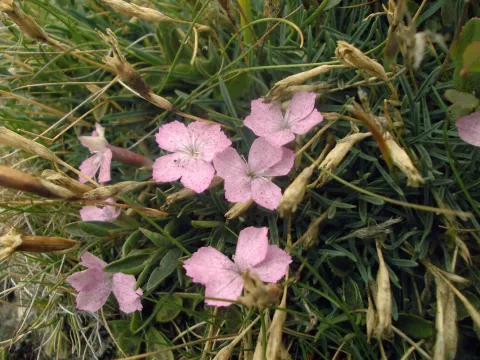
Dianthus microlepis
Dianthus microlepis
Dianthus microlepis is a perennial herbaceous plant belonging to the Caryophyllaceae family. For cultivation, seeds are sown in nursery trays during March or April, maintaining a germination temperature of approximately 18-20 degrees Celsius.
What the section contains
Dianthus microlepis
Direct sowing in outdoor rock gardens is feasible in late spring once the threat of frost has passed. The soil must be loose and mixed with grit to ensure optimal conditions for the delicate seeds to germinate successfully.
Seeds should be sown very shallowly, as they require light to germinate effectively. Covering them with a thin layer of fine vermiculite or grit is usually sufficient to maintain humidity while allowing light penetration.
Seedlings should be pricked out when the first or second set of true leaves develops. Growth is relatively slow in the early stages, necessitating careful water management to prevent root rot in young, sensitive plants.
Applying a cold stratification process for two weeks prior to sowing can significantly improve germination rates for this endemic Balkan species.
Originating from the mountainous regions of the Balkans, Dianthus microlepis thrives in well-drained, gritty substrates. It requires a neutral to slightly alkaline soil pH to remain healthy and vibrant.
Full sun is a strict requirement for this species. Any form of shading or competition from taller plants will weaken the specimen, causing it to lose its compact cushion-like habit and bloom potential.
The plant is highly winter-hardy and can withstand harsh climates, provided that the planting site offers excellent drainage to prevent standing water during the spring thaw.
Watering should be moderate, as the plant possesses natural drought tolerance. Overwatering is the most common cause of failure; therefore, allowing the soil to dry out between waterings is essential for long-term survival.
Due to its low-growing, cushion-forming nature, it is perfectly suited for crevice planting in rock gardens, where it naturally mimics its native alpine cliff environment.
Fungal diseases are the primary threat, often triggered by excessive humidity or poor soil aeration. Root rot is particularly dangerous and can destroy a well-established cushion in a very short time.
Pests such as spider mites and aphids may attack the foliage during hot, dry spells if airflow is restricted. Monitoring the undersides of leaves is recommended for early detection of these insects.
Control measures include using appropriate systemic insecticides or natural soaps when infestations occur. However, the most effective defense is a dry-cultivation approach that discourages pathogen development.
Removing dead leaves and debris from the base of the cushion is necessary to prevent rot and provide good airflow, which is critical for maintaining the plant's health.
Proper spacing and the use of a mineral-based top-dressing around the plant base help keep the foliage dry, significantly reducing the risk of bacterial and fungal infections.
In ornamental horticulture, seed harvesting is performed once the seed capsules have turned brown and reached maturity. Harvesting must take place before the capsules open naturally.
After collection, the capsules should be air-dried in a shaded, well-ventilated area. Once fully dried, the seeds are threshed and cleaned of any organic debris before storage in cool, dry conditions.
For cut flower use, stalks are harvested just as the buds begin to show color. This stage of development ensures the longest vase life for the delicate flowers.
Post-flowering maintenance involves cutting back the dead flower stalks to encourage the plant to direct its energy into root and cushion development rather than seed production.
Consistent maintenance, including the pruning of spent blooms, preserves the tidy appearance of the plant throughout the summer season and prepares it for winter dormancy.