
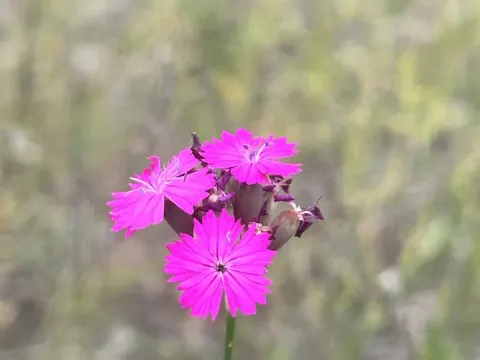
Dianthus polymorphus
Dianthus polymorphus
Sowing Dianthus polymorphus typically begins in the early spring once the danger of severe frost has passed. Direct sowing into the garden bed allows the plants to establish a strong root system before the onset of the summer heat.
What the section contains
Dianthus polymorphus
For professional cultivation, greenhouse sowing in late winter is preferred. Use a sterile, well-draining seed-starting mix to ensure optimal germination rates and to prevent the development of damping-off diseases in the seedlings.
The seeds should be covered only lightly with a fine layer of substrate. Light is an essential factor for the activation of the embryo, so ensuring they are not buried too deeply is critical for achieving a high percentage of germination.
Maintain an ambient temperature between 18 and 22 degrees Celsius during the initial stages of development. Once the seedlings emerge, provide ample light to prevent etiolation, which results in weak and spindly growth.
Acclimatization of indoor-grown seedlings to outdoor conditions should take place over a period of 7–10 days. Gradually increase exposure to direct sunlight and wind before final transplantation into the open field.
Dianthus polymorphus thrives in full sun exposure. It is a heliophilic species that requires at least 6 to 8 hours of direct solar radiation daily to maintain its structural integrity and produce vibrant, colorful blooms.
The ideal soil profile for this species consists of sandy or loamy textures with excellent drainage properties. Soils that retain excessive moisture or have poor structure often lead to root rot and premature plant decline.
The chemical composition of the soil should be neutral or slightly alkaline. In acidic environments, it is recommended to amend the site with agricultural lime to adjust the pH level to a range favorable for the plant's nutrient uptake.
Water management is crucial during the active growing season. While the plant has moderate drought tolerance, regular irrigation is required during dry spells to ensure the development of robust buds and long-lasting floral displays.
Nutrient supplementation should be limited to balanced, slow-release fertilizers applied in early spring. Avoid high-nitrogen fertilizers later in the season, as they promote excessive foliage growth at the expense of floral production.
The most significant pathological threats to Dianthus polymorphus are fungal pathogens such as Fusarium wilt and rust. These diseases flourish in environments with poor air circulation and high humidity levels around the foliage.
Preventative management involves maintaining sufficient spacing between individual plants to promote airflow. Keeping the immediate area free of debris and weeds reduces the micro-environmental humidity that supports fungal growth.
Common insect pests include aphids and spider mites, which can cause significant damage to young vegetative tips. These pests multiply rapidly under hot, dry conditions and can vector various plant viruses into the garden.
Integrated pest management strategies should be employed, utilizing horticultural oils or insecticidal soaps as primary control measures. Chemical interventions should be used judiciously to avoid harming beneficial pollinator populations.
Monitoring the undersides of leaves and the nodes of stems for the presence of insects or signs of disease is recommended. Early detection is the most effective way to manage potential outbreaks and maintain plant health.