
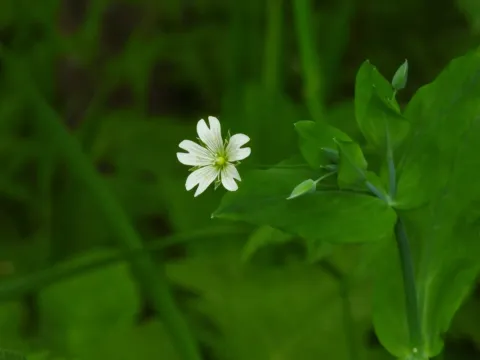
Cerastium davuricum
Cerastium davuricum
Cerastium davuricum is a perennial herbaceous plant belonging to the Caryophyllaceae family, recognized for its adaptability to northern environments. In agricultural practice, seeds are typically sown in early spring once the soil temperature is consistently above 5-8 degrees Celsius.
What the section contains
Cerastium davuricum
Optimal germination requires a well-prepared seedbed, free of debris and clods. Given the small size of the seeds, they should be shallowly covered at a depth of 1-2 centimeters to ensure adequate moisture and light for emergence.
Row cropping is the preferred method, with inter-row spacing of 15-20 centimeters, which allows for efficient mechanical weed control. Uniform seeding rates are essential to prevent competition among individual plants in the early establishment phase.
Late autumn sowing is also a viable strategy, allowing for natural cold stratification of the seeds. This method often results in earlier and more vigorous germination in the following spring as the snow melts.
Post-sowing soil compaction using rollers is recommended to enhance the capillary rise of water to the seeds. This step significantly improves the establishment of the crop in varied moisture conditions.
The plant thrives in well-drained, fertile soils ranging from loamy to sandy compositions. It is highly sensitive to waterlogging, necessitating fields with good topography and adequate natural drainage.
Light availability is a critical factor; the crop requires full sun exposure to maximize photosynthetic output. Excessive shade can lead to stunted growth and reduced dry matter production in the vegetative parts.
Cerastium davuricum is remarkably winter-hardy, having evolved in the harsh climate of Siberia and the Russian Far East. It can withstand severe sub-zero temperatures, making it a robust candidate for cultivation in high-latitude regions.
While tolerant of minor dry spells once established, the crop performs best when moisture is maintained throughout the peak growing season. Supplementary irrigation can be applied during drought periods to sustain vegetative growth.
Fertilization management should focus on balanced NPK ratios, with a particular emphasis on phosphorus to promote root development. Proper mineral nutrition strengthens the plant's structural integrity and overall vigor.
Fungal pathogens represent the most significant threat to the crop, particularly under conditions of high humidity and restricted airflow. Root rots and leaf spots are common issues that must be monitored throughout the season.
Insect pests such as aphids and thrips can cause damage by feeding on succulent tissues, potentially transmitting viral diseases. Integrated pest management strategies, including the use of entomopathogenic fungi, are often effective.
Soil-dwelling larvae can damage the root systems, leading to patchy stands and reduced yields. Crop rotation practices are essential for managing pest cycles and maintaining soil health in the long term.
Overcrowded plantings are particularly susceptible to disease outbreaks. Maintaining appropriate plant density through precise seeding rates is a primary preventive measure for maintaining a healthy and productive stand.
Early detection through frequent field inspections allows for targeted intervention. When necessary, the use of approved, low-toxicity fungicides helps to mitigate spread without severely impacting the surrounding environment.