
Cerastium fragillimum
Cerastium fragillimum
Description
Growing requirements
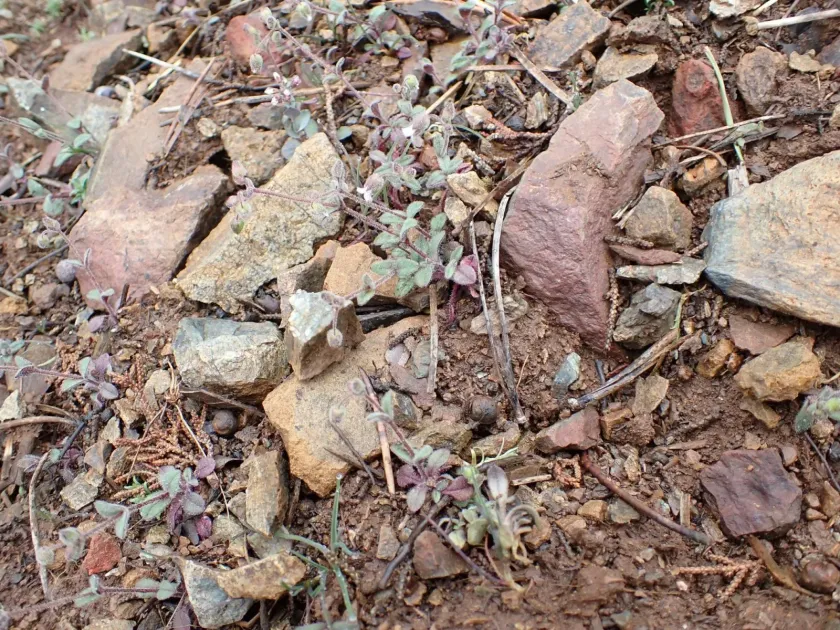
Cerastium fragillimum is a perennial herbaceous plant belonging to the Caryophyllaceae family. Naturally occurring in mountainous and rocky environments, this species has evolved to thrive in harsh conditions, displaying remarkable structural resilience.
The crop requires well-drained, lightweight soils to perform optimally. It is particularly sensitive to waterlogging, which can easily damage its root system, therefore incorporating sand or grit into the soil profile is recommended for better aeration.
Sunlight is a critical factor for the healthy development of this species. It demands open, exposed locations where it can receive direct sunlight for the majority of the day, which maintains its compact growth form and overall plant vigor.
One of the most significant traits of this plant is its high drought tolerance. It is well-adapted to survive in nutrient-poor and dry soils, making it an excellent candidate for low-maintenance landscaping and erosion control in arid areas.
Agricultural management is relatively simple compared to other crops. Minimal soil fertilization is required, as the plant is naturally adapted to lean soils. Regular maintenance should focus on preventing weed competition during the establishment phase.
Main diseases and pests
Root rot is the primary threat to Cerastium fragillimum, typically triggered by poor drainage or excessive soil moisture. Proper site selection and the use of raised beds can effectively mitigate the risk of fungal infections in the root zone.
Powdery mildew may manifest under conditions of high atmospheric humidity and poor airflow. To minimize this risk, growers should ensure that the plants have enough spacing, which facilitates rapid drying of the foliage after rain or irrigation.
Aphids can occasionally infest the tender new growth of the plants. While they rarely cause death, their feeding activity can stunt the growth and disfigure the leaves, potentially reducing the overall quality of the plant mass.
Foliage-eating insects or caterpillars may cause localized damage to the leaves. Monitoring the crop periodically is essential, especially during the peak growth season, to catch pest infestations before they spread across the entire area.
Integrated pest management strategies are recommended, focusing on maintaining plant health through proper site selection and hygiene. Removing debris and weeds around the plants helps reduce the habitat available for potential pests and diseases.