
Cerastium furcatum
Cerastium furcatum
Description
Growing requirements
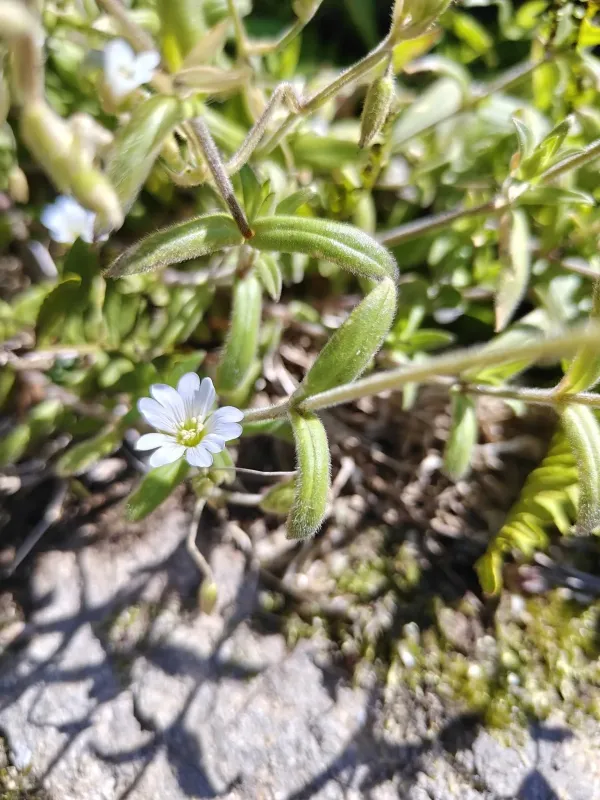
Cerastium furcatum is a perennial herbaceous plant belonging to the Caryophyllaceae family. This species is native to mountainous regions and rocky habitats, which has contributed to its adaptation to harsh environmental conditions and poor soil types.
The plant is characterized by its prostrate growth habit and silver-colored, pubescent leaves. These botanical features serve as an evolutionary mechanism to reflect sunlight and minimize moisture loss in the dry environments where the plant typically thrives.
For successful cultivation, the plant requires well-drained, sandy or gravelly soil. Poor drainage is the most significant factor leading to plant failure, so site preparation must prioritize water removal to prevent root rot during wet seasons.
The species thrives in full sun exposure. It is highly resistant to both drought and cold, making it a reliable choice for alpine rock gardens, slopes, and borders where maintenance must be kept to a minimum.
In terms of practical use, Cerastium furcatum is primarily valued in ornamental horticulture as a ground cover plant. It is frequently utilized in landscaping to stabilize soil on slopes and to create aesthetically pleasing low-maintenance carpet effects in garden design.
Main diseases and pests
Fungal diseases, particularly root rot, are the most common threats to this plant. These issues almost always stem from excessive moisture or lack of soil drainage, emphasizing the importance of site selection before planting.
Insects like aphids can occasionally infest the plant during the spring growing season. While infestations are usually minor, manual removal or the application of insecticidal soap is recommended to keep the foliage clean and healthy.