
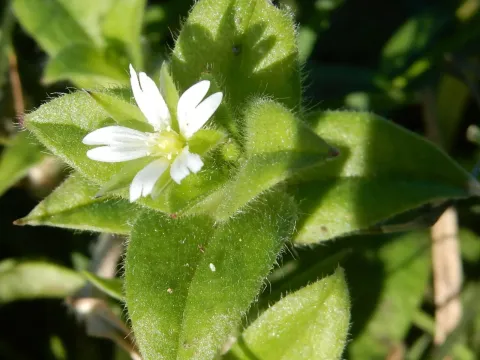
Cerastium capense
Cerastium capense
Cerastium capense is a perennial herbaceous plant belonging to the Caryophyllaceae family. Its natural origin is traced back to the regions of Southern Africa, where the plant has adapted to diverse climatic conditions characterized by cycles of precipitation and prolonged sun exposure.
What the section contains
Cerastium capense
Botanically, the plant is distinguished by its silvery, pubescent foliage, which serves as a physiological adaptation to conserve water. It grows in a creeping manner, forming dense mats or patches that effectively cover the soil surface, making it an excellent ground cover species.
The agronomic requirements for Cerastium capense focus heavily on soil structure and drainage. It thrives in light, gritty, and well-aerated soils with a neutral or slightly alkaline pH. Clay-heavy soils that retain moisture for long periods are generally unsuitable as they promote root rot.
Regarding climatic conditions, the plant is a sun-loving species that requires full solar exposure to maintain its characteristic compact habit. Shade or semi-shade conditions often lead to etiolation, where the stems become thin and elongated, significantly reducing the plant's ornamental value.
In terms of agricultural and horticultural use, this species is primarily utilized for landscape restoration and decorative purposes. Its ability to grow in nutrient-poor and rocky environments makes it an ideal choice for rock gardens, stone walls, and stabilizing soil on moderate slopes.
The primary threats to Cerastium capense are fungal pathogens associated with excessive soil moisture and poor airflow. Managing the drainage system and ensuring adequate spacing between plants are essential cultural practices to prevent the development of root and crown rot.
Pest pressure is usually low, though aphids can occasionally colonize young growth during the peak growing season. Growers should implement integrated pest management strategies, focusing on regular field scouting and applying suitable control measures only when pest populations exceed acceptable thresholds.