
Cerastium grandiflorum
Cerastium grandiflorum
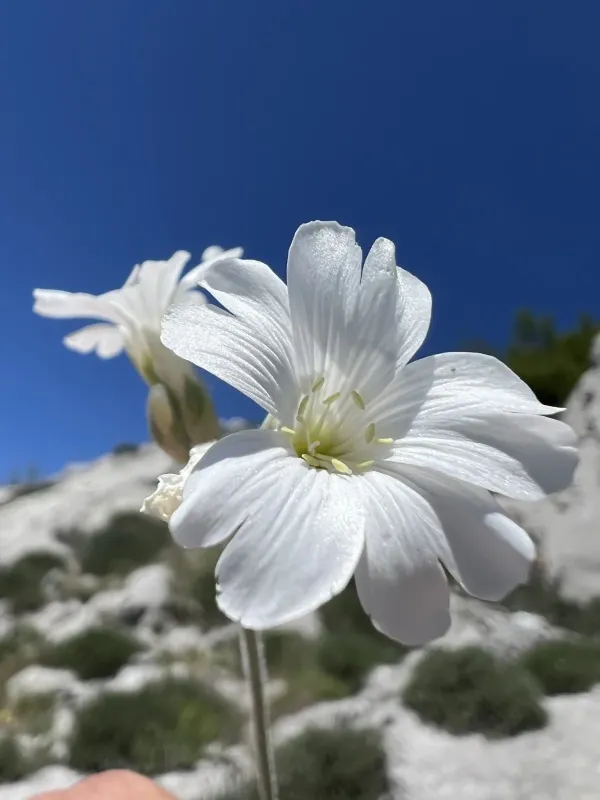
Description
Sowing dates
Sowing Cerastium grandiflorum seeds in open ground is best performed in the spring once the soil has warmed up, or in late autumn. Choosing the right timing ensures the seedlings establish a robust root system.
For greenhouse cultivation, start seeds in late winter or early spring. Surface sowing is recommended as the seeds require light to germinate effectively and should not be covered deeply by substrate.
Once seedlings develop their first true leaves, they should be pricked out into individual containers. This process helps ensure that each plant develops independently before final transplanting.
Maintain a planting distance of at least 25 to 30 centimeters when setting the crop in its permanent location. Adequate spacing is vital to ensure proper airflow and to prevent fungal issues.
Vegetative propagation is also highly effective for this species. Dividing mature clumps in early autumn allows the plants to establish in their new environment before the first winter frost.
Growing requirements
Cerastium grandiflorum is a member of the Caryophyllaceae family, known for its silver-hued foliage and resilient nature. It is typically grown in rock gardens or as a ground-cover crop.
The culture thrives in full sun exposure. While it may survive in partial shade, direct sunlight is necessary for the plant to maintain its characteristic compact, silver-grey appearance.
Soil should be well-drained, sandy, or gravelly. The species performs poorly in heavy, waterlogged, or overly fertile soils, which often lead to leggy growth and root rot.
Watering requirements are minimal; the plant is exceptionally drought-tolerant once established. Avoid excessive irrigation, especially during humid summer months, as this can stress the plant.
The plant demonstrates high adaptability to poor soil conditions, making it an excellent candidate for stabilizing rocky slopes or creating low-maintenance green areas.
Main diseases and pests
Root rot is the most significant threat to the health of the culture, typically caused by poor drainage or excessive soil moisture levels during periods of low activity.
Fungal leaf spots can occur when planting density is too high or airflow is restricted. Regular monitoring and thinning of dense clumps are essential preventative measures against these pathogens.
Pests are generally not a major concern for this crop. However, occasional aphid infestations on young shoots may require treatment with mild insecticidal soap if the population grows too large.
Maintaining a dry environment around the crown of the plant is critical. If symptoms of infection appear, remove affected parts immediately and improve the soil drainage to halt the disease.
Good agricultural practices, such as preventing debris accumulation around the stems, significantly reduce the risk of secondary infections and ensure the plant's long-term health.
Harvesting
Harvesting or shearing the plants should take place immediately after the flowering phase. This maintenance practice keeps the plant compact and promotes fresh foliage growth.
Cut the foliage back to a height of 5 to 10 centimeters. This helps the plant retain its aesthetic form and prevents the energy expenditure on unnecessary seed production.
If seed production is desired, allow a portion of the patch to remain unpruned until the capsules are fully mature. Collect seeds during dry weather to prevent moisture-related spoilage.
Clippings can be utilized as organic mulch if they are disease-free. This practice returns nutrients to the soil and improves the local growing conditions for subsequent seasons.
Regular maintenance ensures that the plant does not become invasive through uncontrolled self-seeding, helping to keep the surrounding area organized and visually appealing.