
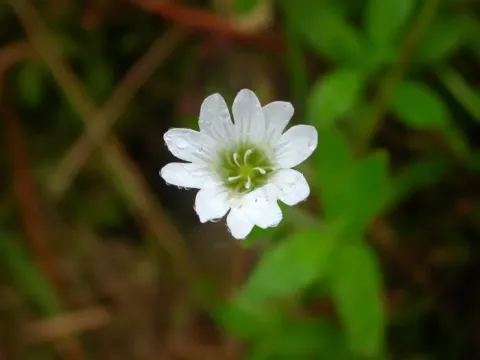
Cerastium azoricum
Cerastium azoricum
Cerastium azoricum is a member of the Caryophyllaceae family. In ornamental gardening, seeds are typically sown in the spring once the risk of night frosts has passed to ensure optimal germination rates.
What the section contains
Cerastium azoricum
The seeds are small, so they should be sown on the surface and pressed lightly into the substrate without covering them with soil. Maintaining surface moisture is crucial for successful germination during the first weeks.
When starting indoors, sowing should be done in March or April in a greenhouse or cold frame. This allows for the development of strong seedlings that will successfully adapt to being transplanted into the garden.
The plant can also be propagated vegetatively through division or cuttings. Cuttings taken during the summer months show high success rates, especially when provided with adequate indirect light and proper humidity.
The optimal planting density depends on the landscape design, but a spacing of 20–30 cm between plants is generally recommended to allow the ground cover to spread freely and form a healthy, dense mat.
Native to the Azores, this species has evolved specific requirements for its habitat. The plant prefers well-draining, sandy, or rocky soils and cannot tolerate waterlogging in the root zone, which can be fatal.
Cerastium azoricum is highly light-demanding and must be placed in sunny locations. A lack of sunlight leads to leggy growth and the loss of the characteristic compact form required for ground cover applications.
Regarding temperature, it prefers a cool, maritime climate but possesses the biological resilience to withstand short periods of drought once established, thanks to its deep root development over time.
The ideal substrate should have a neutral to slightly alkaline pH. Excessive use of nitrogen-rich fertilizers is discouraged, as it promotes rapid vegetative growth at the expense of flowering and overall plant density.
Irrigation should be moderate and carefully monitored. During the active growing season, keep the soil moderately moist while avoiding stagnant water, which invites pathogens and root decay.
The primary threats to this culture are fungal pathogens, particularly root rot, which often occur when soil moisture remains consistently too high. Proper drainage is the most effective preventative measure.
Pests such as aphids or spider mites may attack the foliage during prolonged hot and dry periods. Regular monitoring of the leaves is essential to detect early infestations before they spread across the garden.
Disease management relies heavily on agricultural techniques, such as thinning out plantings to improve air circulation and strictly regulating the watering regime to keep the crown dry.
In cases of severe fungal infection, systemic fungicides may be used, though care should be taken to avoid damaging the dense plant tissues. Preventive maintenance remains the most reliable strategy.
Slugs and snails can cause damage to young shoots, especially during wet weather. Installing physical barriers or using organic deterrents around the flower beds is a practical way to protect the plants.