
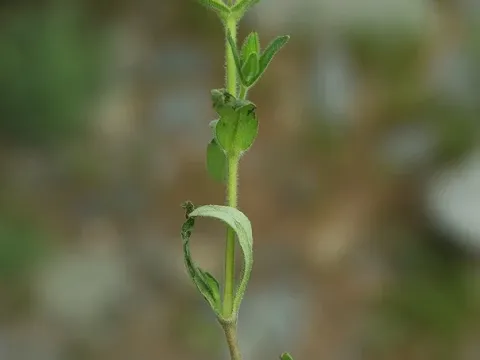
Cerastium inflatum
Cerastium inflatum
Cerastium inflatum is a perennial herbaceous plant belonging to the Caryophyllaceae family. It is often appreciated in landscaping for its ground-covering habits and is well-suited for rock gardens and borders.
What the section contains
Cerastium inflatum
Sowing in the open field is typically done in early spring, around April, once the soil has warmed up. Autumn sowing is also an option, as it allows seeds to undergo natural stratification throughout the winter.
For container cultivation, seeds are sown in late winter or early spring in a light, well-draining substrate. They should be only lightly covered with soil, as they need light to germinate successfully.
Seedlings are pricked out once they reach the two-leaf stage and are transferred to individual pots. This allows the roots to develop properly before the final transplantation into the garden plot.
Transplanting into permanent locations occurs once the risk of frost has passed in May. Plants should be spaced 25 to 30 centimeters apart to provide enough room for the plant to spread effectively.
This species thrives in sunny, open locations. Insufficient light leads to etiolation, where the plant becomes leggy and loses its characteristic compact form, which significantly reduces its ornamental value.
The plant is not overly demanding regarding soil type, but it performs best in loose, sandy, or rocky soils. Good drainage is essential, as the species is adapted to habitats where water does not linger.
Cerastium inflatum demonstrates high tolerance to drought conditions. It is therefore ideal for xeriscaping or rockery planting where frequent irrigation is not possible or desirable for maintenance.
The soil should ideally be slightly alkaline, as the plant naturally benefits from the presence of calcium. Adding grit or crushed stones to the soil mix can mimic its native environment and improve vigor.
Minimal fertilization is required. Over-fertilization, especially with nitrogen, promotes excessive vegetative growth, which can make the plant less resilient and reduce its overall flowering density.
The main health challenges for this species are related to excessive moisture. Root rot is a common occurrence if the soil remains waterlogged, which is why proper site preparation is critical.
Powdery mildew can occasionally affect the foliage, particularly in humid climates with poor airflow. Maintaining proper plant spacing helps prevent the development of these fungal pathogens.
Slugs and snails can cause damage to young shoots, especially during damp seasons. Regular monitoring and the use of physical barriers or organic pellets can help mitigate damage from these pests.
Aphids may occasionally infest the tender tips of stems during the growing season. If they become a problem, they can be controlled with insecticidal soaps or systemic treatments if the infestation is severe.
Maintaining a dry, sunny environment is the best form of preventative care. By ensuring excellent soil drainage and avoiding overhead irrigation, the risk of disease is kept to a minimum.