
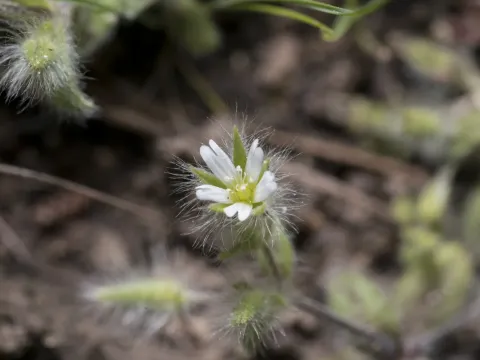
Cerastium comatum
Cerastium comatum
Cerastium comatum is a perennial species belonging to the Caryophyllaceae family, known for its dense growth habit and distinctive pubescent foliage.
What the section contains
Cerastium comatum
Originating from rocky and mountainous terrains, this plant is well-adapted to surviving in harsh environments where nutrient-poor, stony soils are the primary substrate.
For cultivation purposes, this plant requires full sun exposure to maintain its compact shape and to ensure that the silver-grey foliage remains vibrant and healthy throughout the season.
Soil drainage is the most critical factor for success; the plant is highly sensitive to waterlogging, which often leads to rapid deterioration of the root system.
Little to no fertilizer is required, as excessive soil fertility promotes rapid, leggy growth, making the plant less resilient to temperature fluctuations and fungal issues.
The primary pathological threats to Cerastium comatum are soil-borne pathogens that thrive in moist, poorly drained conditions, leading to root rot and crown blight.
Powdery mildew is a common concern in regions with high humidity, especially if the planting density is too high, restricting essential airflow between individual plants.
Aphids can pose a threat during the active growing season, particularly on young, succulent shoots, necessitating careful monitoring and timely intervention if numbers spike.
Weed management is vital during the early establishment phase to prevent overcrowding, which would otherwise deprive the plants of necessary light and air circulation.
To maintain plant health, it is recommended to apply a preventive fungicide if the local climate becomes consistently wet, ensuring the foliage stays dry to minimize risks.