


Reference · Crops
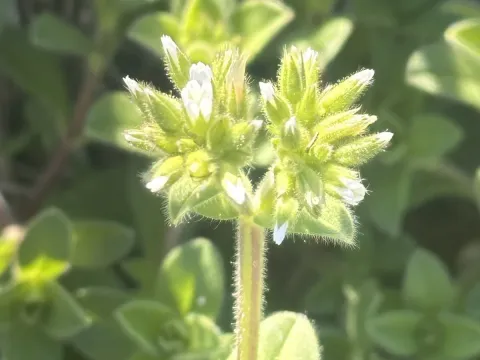
Cerastium
Cerastium
Cerastium, a member of the Caryophyllaceae family, is typically propagated through seeds sown in early spring or by vegetative division in late summer.
2
items
What the section contains
Marketplace
Products in this section · 4


Cerastium
For indoor propagation, seeds should be surface-sown in a light substrate during March, keeping the container in a well-lit area to trigger germination.
When sowing outdoors, seeds need well-drained, loose soil and should be scattered over the surface without covering them with a thick layer of earth.
Vegetative propagation involves dividing mature clumps into smaller sections, which ensures the plant retains its genetic characteristics and establishes faster.
Proper seedling management requires moderate watering, avoiding waterlogged soil, and ensuring that temperatures remain stable between 18 and 20 degrees Celsius.
Cerastium thrives in full sun, which is essential for maintaining its compact habit and the signature silvery color of its foliage throughout the season.
It prefers gritty, sandy, or rocky soils with excellent drainage, as the plant is highly sensitive to moisture accumulation near its roots.
The plant is remarkably drought-tolerant, making it an excellent choice for xeriscaping or areas with limited water availability during the summer months.
It displays superior winter hardiness, surviving cold climates without the need for additional protective mulching or special maintenance rituals.
Nutrient requirements are low; in fact, overly rich soil can lead to excessive, floppy growth that diminishes the plant's natural aesthetic appeal.
The primary concern for Cerastium is fungal infection, particularly root rot, which typically stems from poor drainage or excessive humidity in the soil.
Preventative measures include ensuring proper plant spacing to allow air circulation and avoiding overhead irrigation during humid weather conditions.
Pests like aphids may occasionally colonize the foliage, although they rarely cause significant long-term damage to established perennial clumps.
Regular monitoring and occasional use of systemic insecticides are sufficient if pest populations reach levels that compromise the plant's health.
Removing dead leaves and spent flower stems is vital for preventing the build-up of decaying organic matter that attracts pathogens.
Post-flowering maintenance involves shearing the plants to remove faded blooms, which promotes a secondary flush of growth and keeps the foliage tidy.
If seeds are intended for collection, the flower heads should be allowed to dry completely on the stems before harvesting into breathable paper bags.
Proper storage involves keeping the seeds in a dry, dark, and cool environment, where they can maintain high viability for approximately two years.
In professional landscaping, Cerastium serves as a versatile ground cover, effectively suppressing weeds and stabilizing loose soil on banks or slopes.
To keep the planting vigorous and dense, it is recommended to divide and replant every few years, as older plants may become woody or sparse in the center.