
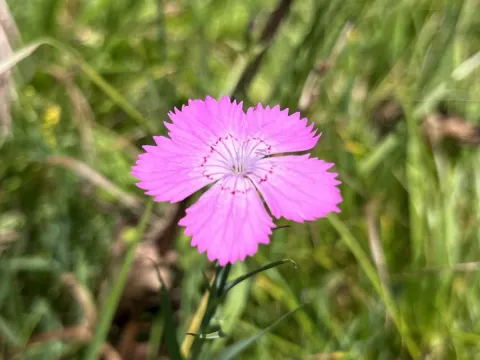
Caucasian pink
Dianthus caucaseus
The sowing of Dianthus caucaseus seeds should be initiated in late spring once the danger of late frost has passed and the ground has sufficiently warmed.
What the section contains
Caucasian pink
For indoor propagation, sowing in late winter or early spring allows for well-developed seedlings, which can be transplanted as soon as conditions permit.
The seeds require light to germinate, so they should be sown on the surface of the growing medium or covered with a very thin layer of fine sand.
Consistent moisture levels must be maintained during the germination phase to ensure a high success rate, as seeds are sensitive to moisture fluctuations.
Once seedlings have developed their first true leaves, they should be hardened off outdoors for several days before being planted into their final location.
Caucasian pink belongs to the Caryophyllaceae family and is recognized as a hardy perennial that thrives in exposed, rocky, or well-drained environments.
It demands full sun exposure to produce vibrant flowers; shade typically results in sparse foliage and significantly diminished floral production.
Soil conditions must prioritize excellent drainage, as the species is highly susceptible to root rot in waterlogged or heavy clay-rich soil structures.
The plant is naturally adapted to cooler mountainous climates, displaying significant resilience against cold temperatures and moderate drought conditions.
Regular maintenance including light pruning after the initial bloom encourages a second wave of flowers and maintains the plant's structural integrity.
Fungal issues, particularly rust and various wilt pathogens, represent the most significant threat to the overall health and vigor of this plant species.
Improving air circulation through proper spacing and avoiding overhead irrigation methods are critical strategies to mitigate the spread of fungal spores.
Common garden pests such as aphids and spider mites can occasionally affect the plant, particularly during dry, hot weather patterns in mid-summer.
Integrated pest management, including the use of neem oil or insecticidal soaps, is highly recommended to control populations without damaging beneficial insects.
Good garden hygiene, such as removing debris and dead foliage around the crown in the fall, significantly reduces the overwintering potential for pathogens.