
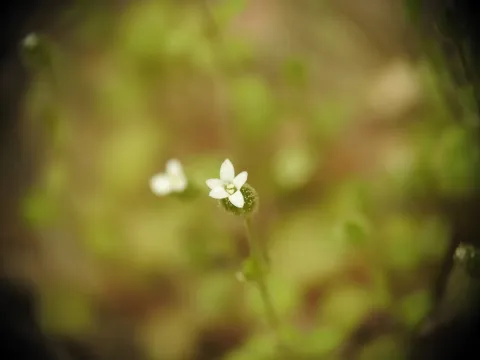
Arenaria muralis
Arenaria muralis
Arenaria muralis is a perennial herbaceous plant belonging to the Caryophyllaceae family. It is widely recognized for its ability to form dense mats, making it an excellent candidate for rock gardens and groundcover applications in agricultural and landscape projects.
What the section contains
Arenaria muralis
Sowing should ideally occur in the spring, once the danger of severe frost has passed. Seeds are small and require light for germination, so surface sowing is recommended to ensure high emergence rates.
For controlled propagation, the greenhouse method is preferred. Seeds should be sown in trays in late winter, providing enough warmth and light to develop sturdy seedlings before transplanting them into their permanent outdoor locations.
The spacing for individual plants should be maintained at roughly 20 centimeters. This allows for sufficient root development and prevents the plants from competing for space during their first year of establishment.
Once established, the plant exhibits good vigor and can self-seed under favorable conditions, effectively filling in gaps and creating a continuous carpet of foliage.
This species thrives in well-drained, sandy, or rocky soils. A crucial agronomic requirement is the avoidance of heavy, water-logged soils, as the root system is highly susceptible to rot when exposed to excessive moisture.
Full sun is the ideal environment for Arenaria muralis. While it can tolerate partial shade, exposure to bright light is necessary to maintain the tight, compact growth habit that is characteristic of the species.
Soil nutrient requirements are relatively low. Over-fertilizing can negatively impact the plant by stimulating excessive vegetative growth at the expense of floral display and overall structure.
The plant demonstrates high tolerance for drought once its root system is fully established. It is an ideal choice for low-maintenance landscapes in temperate climates with well-defined seasonal patterns.
pH levels should generally be neutral or slightly alkaline. In acidic soil conditions, a light application of lime may be necessary to optimize growing conditions and promote healthy, long-term development.
The most significant threat to Arenaria muralis is the presence of fungal pathogens, particularly root rot, which thrives in humid environments with poor air circulation.
Powdery mildew can be a problem during spells of high humidity. Preventive maintenance, such as ensuring adequate spacing between plants and avoiding overhead irrigation, can significantly reduce the risk of infection.
Pests such as aphids and spider mites may occasionally infest the plants during periods of heat stress. Careful monitoring of the leaf surfaces is recommended to detect any early signs of pest activity.
Slugs and snails may cause mechanical damage, particularly to young, tender foliage. Implementing physical barriers or using pet-safe molluscicides can help manage these populations effectively.
Maintaining a clean growing area by removing dead leaves and weeds will help improve air circulation and significantly decrease the likelihood of both disease outbreaks and pest colonization.