
Arenaria nevadensis
Arenaria nevadensis
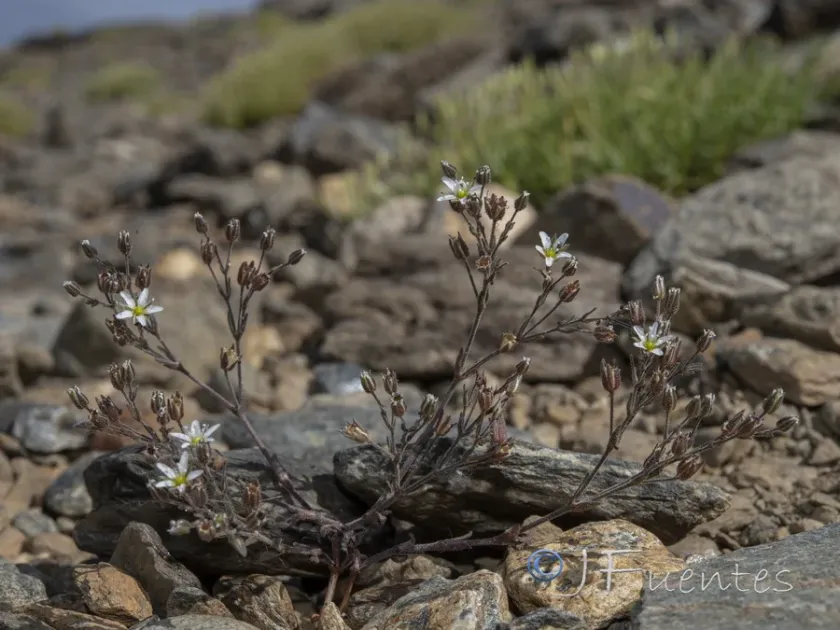
Description
Growing requirements
Arenaria nevadensis, commonly referred to as the Nevada sandwort, is a rare herbaceous plant belonging to the Caryophyllaceae family. It is indigenous to the high-altitude mountainous regions of the Sierra Nevada, showcasing a remarkable adaptation to specialized alpine environments.
The plant thrives in open, sunny habitats with high solar radiation. When cultivated, it is imperative to provide a site that mimics these mountainous conditions, ensuring the plant receives maximum daylight hours throughout its growing cycle.
Soil composition is the most critical factor for success. The substrate must be highly porous, stony, and sandy, effectively preventing any water retention. It performs poorly in rich, loam-heavy soils that tend to compact or hold moisture for extended periods.
The species requires neutral to slightly alkaline soil conditions. Amending the soil with limestone chippings or crushed rock is recommended to maintain the appropriate mineral profile and prevent acidification of the root zone.
Proper airflow is as vital as soil drainage. In cultivation settings, ensuring sufficient circulation helps maintain the plant's health and vigor, especially in climates where humidity levels might fluctuate during the spring and autumn months.
Main diseases and pests
The primary threats to Arenaria nevadensis are soil-borne pathogens triggered by excessive moisture. Root rot is the most common cause of plant failure, particularly when drainage is compromised or the soil density is too high.
Fungal infections can develop rapidly if the foliage remains wet for too long. Maintaining a dry environment around the crown of the plant is essential for disease prevention in domestic garden settings.
Pests such as aphids or soil-dwelling larvae may occasionally target the plants, although they are less common in well-drained, nutrient-poor mineral soils that provide less appeal to such insects.
Environmental stress, specifically during unseasonably wet winters, can lead to widespread plant loss if not managed with proactive protection, such as overhead covers or cold frames.
Integrated pest management, including the use of sanitized soil and routine inspection of the foliage, is recommended to keep the population healthy and resilient against potential threats.